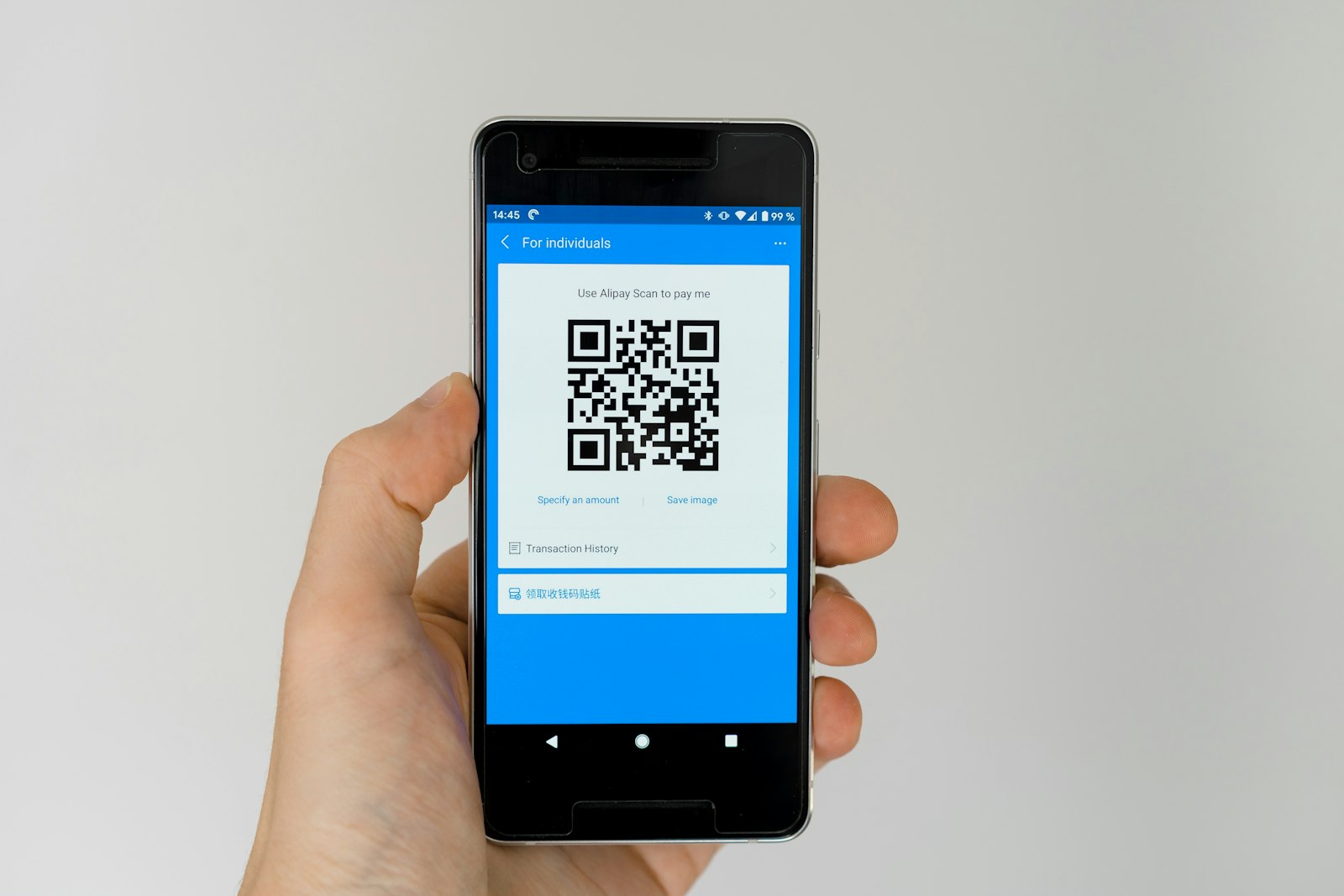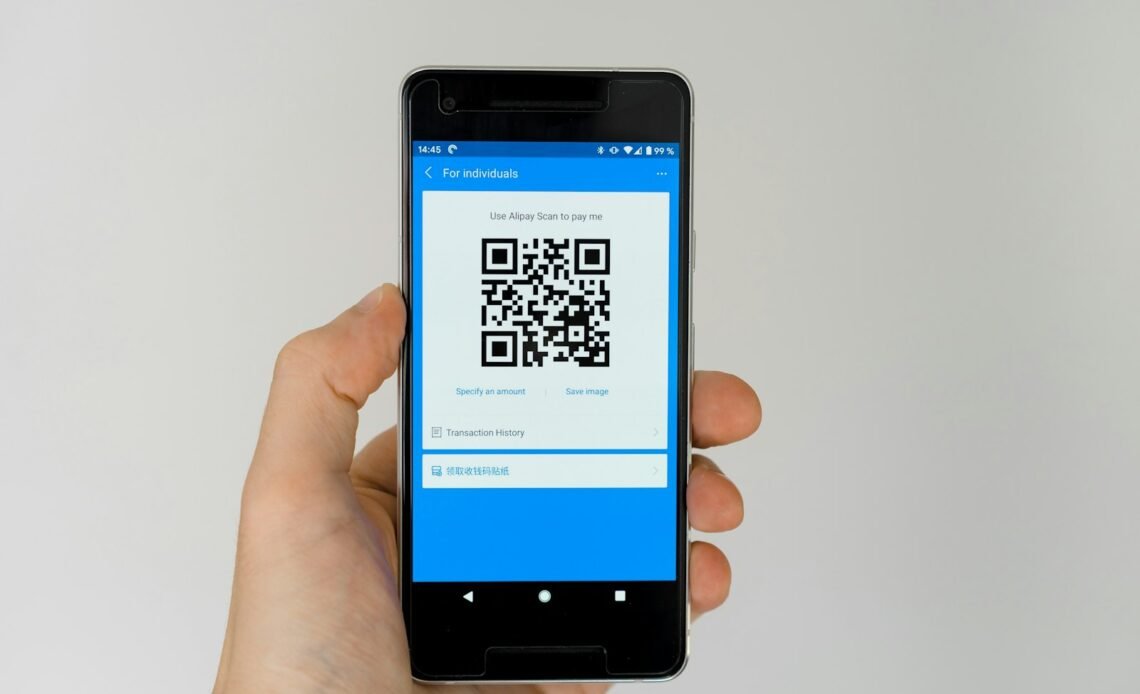
Alipay is still the fastest way to pay for almost anything in China — a coffee, a subway ride, a bowl of noodles at a stall with no card reader in sight. But the mechanics of getting a foreign visitor’s account working have changed since this guide first ran in 2023. The stopgap product built specifically for tourists, Tour Pass, has effectively been folded into Alipay’s main app, the spending limits on foreign-linked cards have roughly quintupled, and the fee structure governing every swipe is clearer than it was — and still worth understanding before you land.
What’s Actually Different Since 2023
In July 2023, Alipay and its rival WeChat Pay opened their networks to foreign bank cards for the first time, using a 90-day product called Tour Pass that let visitors load money onto a prepaid-style wallet without a Chinese bank account. It did its job as a bridge, but it was never meant to be permanent. Alipay has since moved foreign-card linking into the regular account flow — there’s no separate “tourist mode” to hunt for in the menus. You verify your identity and add a card the same way everyone else does, and the old Tour Pass branding now functions more as a label on that same direct-link process than a distinct product.
The more consequential change came from regulators, not the app. In March 2024, the People’s Bank of China directed Alipay and WeChat Pay’s operator, Tenpay, to raise the ceiling on foreign-linked transactions: the single-transaction cap rose from $1,000 to $5,000, and the cumulative annual limit rose from $10,000 to $50,000. Ant Group, Alipay’s parent, confirmed at the time that part of the change was already live and the rest was rolling out shortly after. That’s the single most useful fact for anyone planning a longer trip, a big-ticket purchase, or several family members spending off one linked card.
Setting It Up Before You Fly
- Download Alipay (iOS or Android) and register with your home phone number — no Chinese SIM required.
- Complete real-name verification. You’ll be asked to photograph your passport and take a selfie. Approval is often fast but can take up to roughly 72 hours, so do this days before departure, not at the airport.
- Add your bank card under your profile’s “Bank Cards” section. Alipay accepts Visa, Mastercard, JCB, Diners Club and Discover; American Express support is inconsistent, so pack a backup card network if that’s your primary.
- Confirm via SMS. Your card issuer typically texts a one-time code to finish linking — make sure you can receive texts (roaming or a local SIM) at that moment.
- Start paying. Open the “Scan” or “Pay” screen and either scan the merchant’s QR code or show yours for them to scan. There’s no Tour Pass selection or separate top-up step to find anymore.
What It Actually Costs
Alipay doesn’t charge foreign-linked cards anything on transactions of ¥200 (roughly $28) or less. Above that threshold, a 3 percent service fee applies — a rule that has held since the original 2023 rollout and was reaffirmed for WeChat Pay by Beijing’s municipal government as recently as March 2026, with no indication Alipay has moved away from the same structure. That 3 percent is separate from whatever your own card issuer charges for a foreign transaction, commonly another 1 to 3 percent, so it’s worth checking your card’s terms before relying on it for daily spending. If you’re making frequent small purchases — street food, transit, convenience stores — staying under ¥200 per transaction avoids Alipay’s fee entirely, even if your bank’s own charge still applies.
Limits to Know
The confirmed foreign-card ceiling, per the 2024 PBOC directive, is $5,000 per transaction and $50,000 cumulative per year. Some travel sites circulate higher 2026 figures — a few cite single-transaction caps as high as ¥35,000 — but none trace back to an Alipay or central-bank source, so treat anything beyond the 2024 numbers as unconfirmed until Alipay’s own app or help center says otherwise.
Before You Land
Set up Alipay a few days ahead of travel, not after you’ve landed and are standing in a taxi line with no signal. Call your card issuer first to confirm it allows charges originating in China and to flag your travel dates — a bank-side block on the card, not anything wrong with Alipay, is the most common reason linking fails. Keep your passport details exactly matching your card’s billing name; a mismatch is the second most common failure. And it’s worth setting up WeChat Pay alongside Alipay if you have time — not every merchant, especially smaller ones outside the major cities, accepts both, and having a second option beats brand loyalty.
None of this is static. Alipay, WeChat Pay and Chinese regulators have adjusted fees, limits and verification requirements several times since 2023, usually with little international coverage. Before a major trip, check Alipay’s in-app help center or official site for the current numbers rather than any single article — including this one.