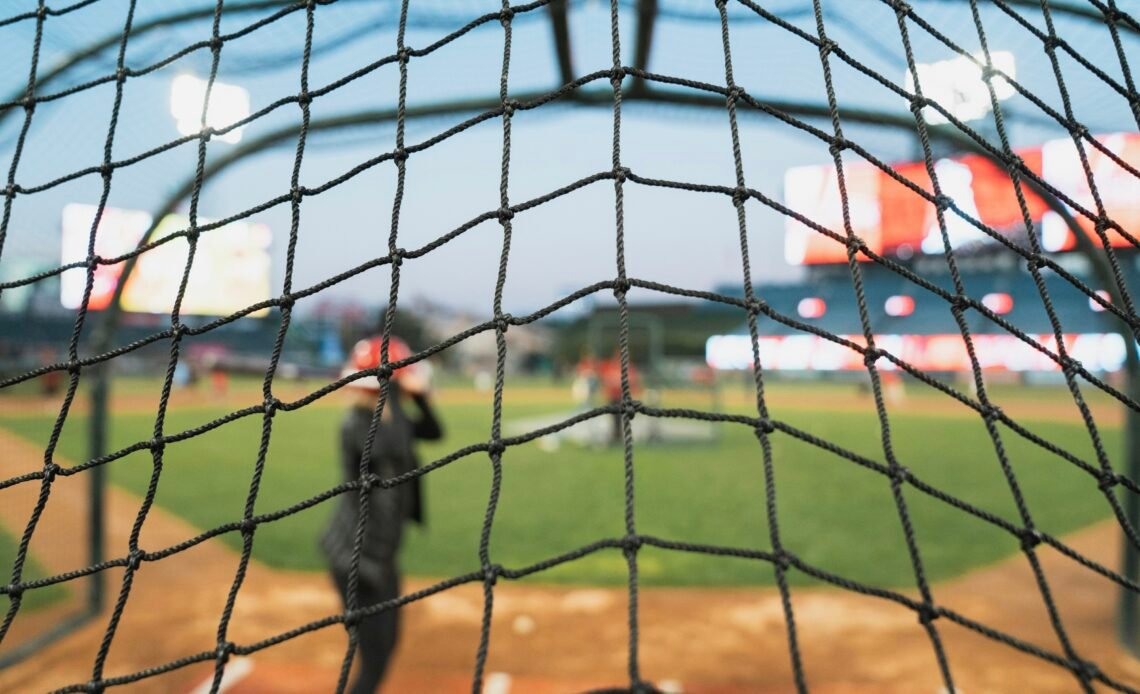
Angel Stadium of Anaheim has hosted major league baseball since 1966, and it remains one of the most approachable ballparks in Southern California: roughly $20 parking, a Metrolink stop a half-mile from the gates, and a concourse built around one dish worth crossing Orange County for. Whether you’re stacking a game onto a Disneyland weekend or making the trip just for the baseball, here’s what actually matters once you’re inside — where to sit, what to eat, and how to time it so the Anaheim heat doesn’t ruin the outing.

Getting There and Parking
The stadium sits just off the 57 freeway in Anaheim, a few miles from Disneyland, and the fastest way in without a car is the train. Metrolink’s Orange County Line and Amtrak’s Pacific Surfliner both stop at ARTIC — the Anaheim Regional Transportation Intermodal Center — about a half-mile walk from the gates via the Douglass Road entrance. The free Anaheim Resort Transportation (ART) shuttle also connects area hotels and Disneyland directly to the stadium, and OCTA bus routes 50, 53 and 57 stop within walking distance.
For drivers, the Angels’ own lots typically open about two and a half hours before first pitch. Official gameday rates run around $20 for general parking and $30 for preferred when paid at the booth, a few dollars more if you buy online in advance (oversized vehicles run closer to $100). Independent lots along Katella Avenue and State College Boulevard routinely undercut those rates, especially for weeknight games against non-rival opponents — worth a quick check on a parking app before committing to the stadium lot.
Where to Sit
Angel Stadium’s bowl breaks into three tiers, and which one suits you depends on budget and how much sun you’re willing to sit in. The lower Field Level, roughly sections 100 through 130, puts you closest to the action and costs accordingly. The Terrace Level — the 200s ring — sits entirely under the stadium’s overhang, the most reliable shade and weather protection in the park, which matters at a 1 p.m. getaway-day game in July. For day games specifically, the third-base side, roughly sections 201 through 213, picks up shade earliest as the sun moves west. Budget-conscious fans head to the View Level in the 400s and 500s; seats are a long way from the plate, but the back rows — around row L and higher — sit under the roof and stay shaded even at midday, and sections in the 410–428 range are usually the best value in the building. Buy through the Angels’ own box office or the MLB Ballpark app for face value; resale prices swing from single digits for a weekday game against a last-place team to well over $100 a seat for a Dodgers or Yankees series.
What to Eat
Skip the standard hot dog line and go straight for the helmet nachos — tortilla chips loaded with chicken tinga or carne asada, melted cheese, jalapeños, sour cream and guacamole, served in a souvenir mini batting helmet. They’re sold at stands near sections 203 and 211 and at the first- and third-base food courts, though regulars point to the Modelo patio out in left field for the best version. Beyond the nachos, Crafty Mac & Mash’s chopped barbecue brisket mac-and-cheese bowl and Big A Burger’s burger-and-shake combo are the two other dishes locals actually order twice, and several Chronic Tacos stands are scattered around the concourse if you want something lighter than a helmet full of nachos.
Best Time to Go
The Angels’ regular season runs from late March to late September, and the calendar does a lot of the planning for you. April, May and September bring milder temperatures, thinner crowds and noticeably cheaper tickets than the peak of summer, when a 95-degree afternoon game can turn the open-air bowl into a furnace even in Terrace-level shade. Most fans still default to night games for exactly that reason — cooler air, better lighting for photos, and a livelier crowd once the sun is down. If a day game is unavoidable, the third-base shade and a seat in the 200s will make the difference between an enjoyable afternoon and a sunburned one.
None of this requires a Disneyland trip or a marquee opponent to be worth doing — Angel Stadium works as a stand-alone evening out, a few hours of real baseball a short train ride from the rest of Orange County. Get there early enough to find your gate, spend the extra few dollars on the nachos, and pick your section based on the sun, not just the scoreboard.
