Korean crime dramas and Japanese crime dramas have each built huge, loyal audiences on their own. What Netflix hasn’t tried before is putting them in the same show, in two languages, following one case. “The Blue Road,” premiering globally on Netflix November 20, pairs Son Suk-ku and Eita Nagayama as detectives in Seoul and Tokyo chasing a serial killer whose murders cross the strait between them — and three of its episodes already got a test run in front of a festival crowd last month.

Four Launches Worth Knowing About: Apple’s $299 Smart Hub, a €1,899 E-Bike, and Luggage That Finally Clicks Together
Four real launches landed in the last several months with almost nothing in common except the bet each one is making. Apple wants a screen in every room of your house. A German e-bike brand wants to replace your SUV for errands. And two travel labels — one legacy, one DTC-born — are both betting that matching luggage should actually act like a matched set, not just look like one. Real prices, real specs, and what’s actually new about each.
Market Order, Limit Order, Stop Order: What Each One Actually Guarantees (and What It Does Not)
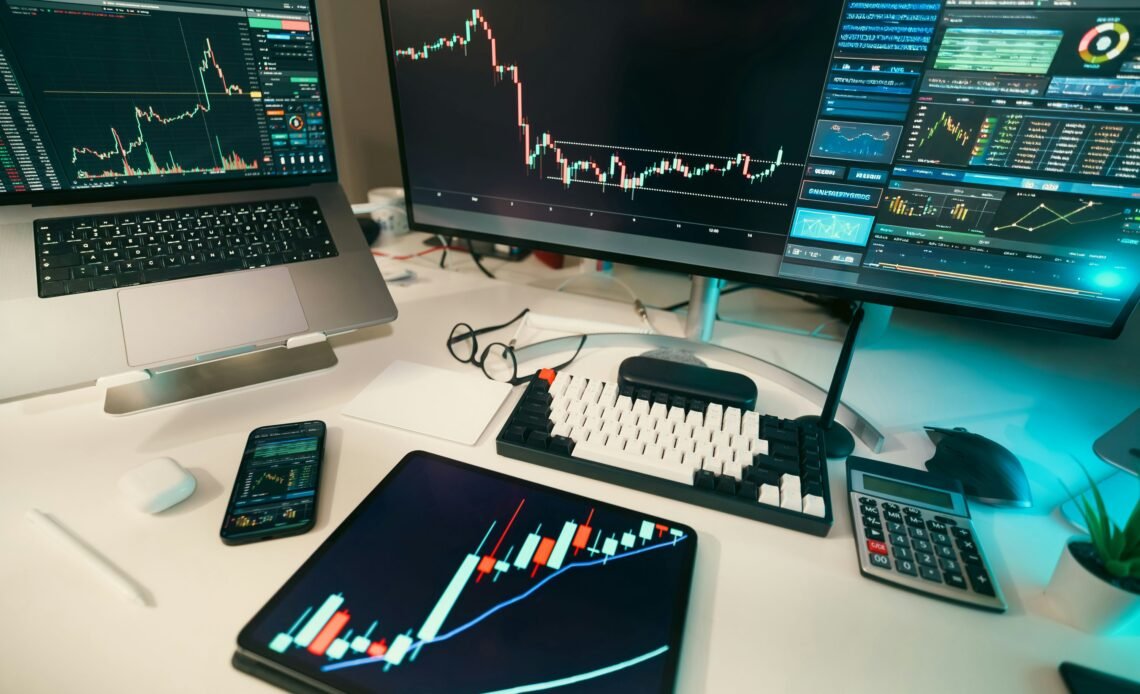
Every brokerage app has the same four buttons somewhere in its order screen: market, limit, stop, stop-limit. Most people click “market” by habit and never read the other three, which is fine right up until a trade fills at a price nobody wanted, or doesn’t fill at all. Each order type trades off two things that sound similar but aren’t — a guaranteed execution and a guaranteed price — and no order type gives you both. Below is what each one actually does, with a worked hypothetical example, plus a real rule change working its way through the SEC right now that touches all four. None of this is investment advice or a recommendation to use any particular order type or to trade any specific security.
xAI Was Supposed to Skip AI Watermarking. Now Its Default Is the Strictest One Yet.
Since November 7, 2026, every response from seven of Grok’s models has arrived carrying something invisible: a statistical watermark baked into the text itself, with no characters added and nothing a reader would ever notice. xAI — now folded into SpaceX and recently rebranded SpaceXAI, with owner Elon Musk floating the name SpaceXSI on X — switched the feature on by default across its entire API, a reversal from a company whose own chatbot had publicly resisted doing exactly this just months earlier.
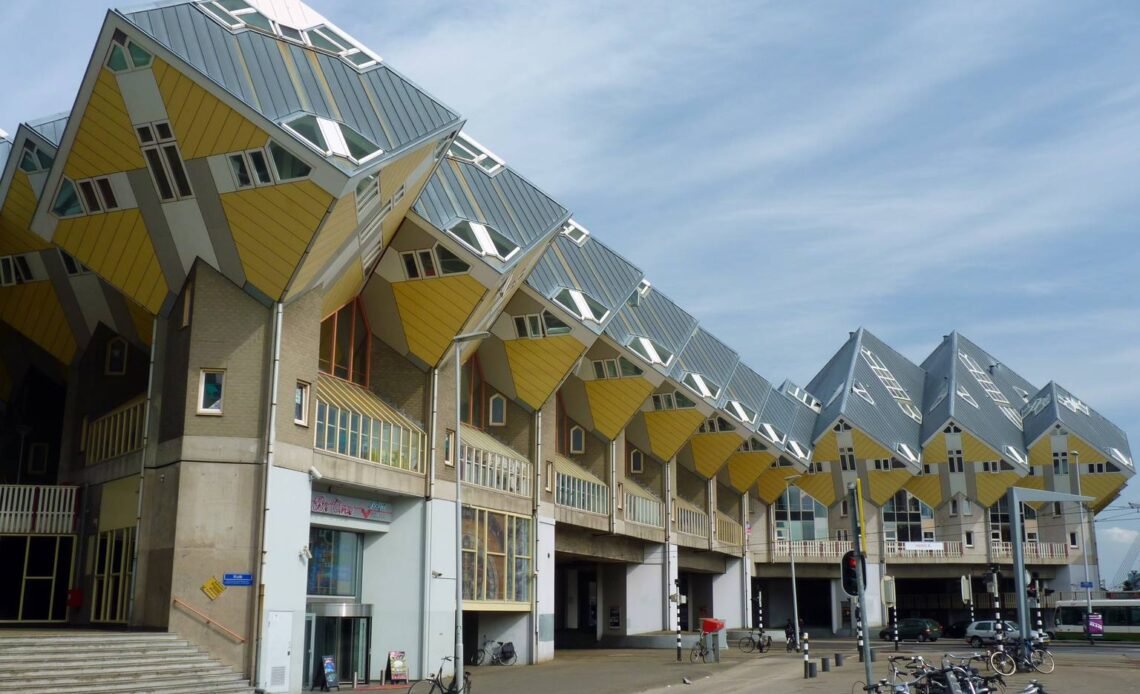
Three Days in Rotterdam: How a City Bombed Flat in 1940 Became the Boldest Architecture Experiment in the Netherlands
On the afternoon of May 14, 1940, German bombers reduced Rotterdam’s entire historic city centre to rubble in roughly fifteen minutes, flattening more than six centuries of accumulated building. Most European cities that suffered that kind of wartime destruction rebuilt in facsimile — new stone cut to look like the old. Rotterdam’s planners did almost the opposite: they treated the cleared ground as a blank canvas and built the most aggressively modern city in the Netherlands on top of it. That decision is why Rotterdam, alone among Dutch cities, looks like it belongs to the 20th and 21st centuries rather than the 17th — and why three days spent walking it reads less like a sightseeing checklist and more like a tour through eighty years of architects arguing, in concrete and steel, about what a rebuilt city should be.
Hong Kong’s biggest outdoor music festival returns to the Victoria Harbour waterfront December 4-6, 2026, with Hayley Williams and keshi co-headlining a bill that also includes Queens of the Stone Age, Slowdive, The Jesus and Mary Chain, and Seoul’s own HYUKOH. Clockenflap has run, in one form or another, since 2008 — surviving a cancelled 2019, 2020, and 2021, and a venue that’s moved more times than most festivals survive. This year it’s back where it belongs: the Central Harbourfront Event Space, with the city’s skyline as the backdrop.
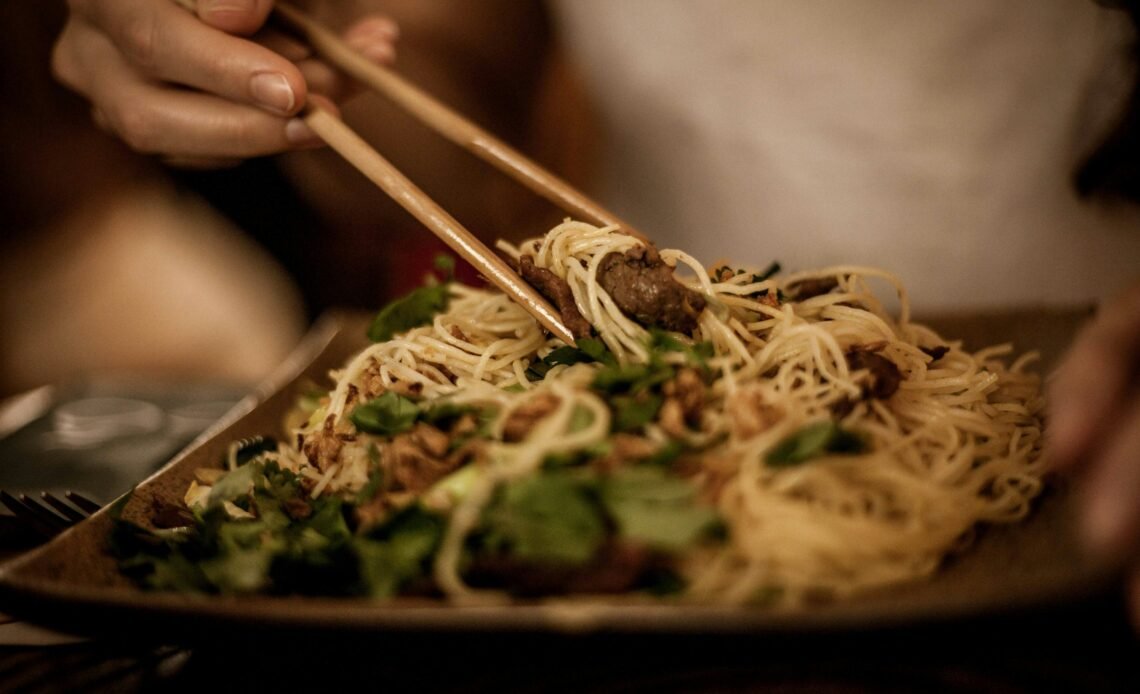
Ask a Hong Kong home cook which dish they’d never bother making at home, and 乾炒牛河 — dry-fried beef chow fun — comes up more than almost anything else. It looks simple: wide rice noodles, sliced beef, bean sprouts, scallions, a splash of soy. It’s also the dish cooks use to test each other, because there’s nowhere to hide a weak wok arm. Too little heat and the noodles turn gluey instead of charred; too rough a toss and the ribbons snap into mush.
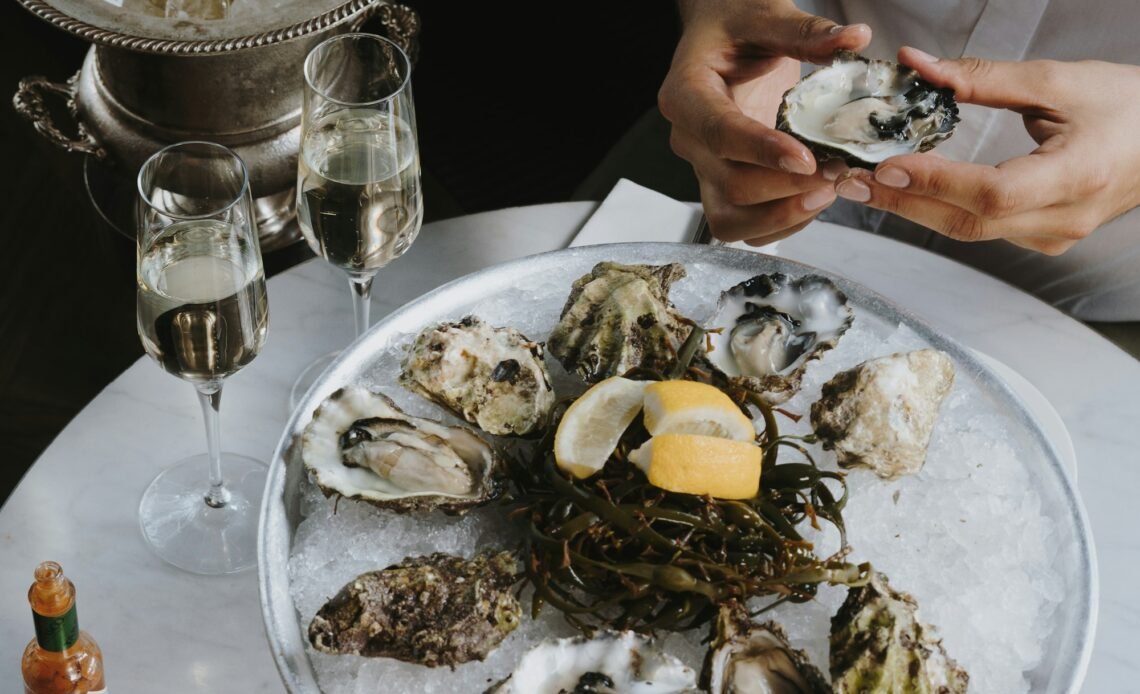
Inside Kødbyens Fiskebar, the Copenhagen Seafood Bar That Has Never Missed a Michelin Guide in 15 Years
Denmark’s relationship with fish is older than the country’s relationship with its own capital. Centuries before Copenhagen became a seat of royal power, the Baltic herring trade was already financing the region’s medieval economy, and salted herring and rye bread were the two things nearly every Danish household could count on through a northern winter. That history is easy to forget at Kødbyens Fiskebar — Fiskebaren, as regulars call it — a seafood bar that just marked its 17th year inside a 1930s meat market in Vesterbro, and that has landed in the Michelin Guide every single year since it opened.
Reformer Pilates Just Became a $700 Million Industry — Here’s Why Everyone’s Doing It
In September 2024, private equity firm L Catterton paid roughly $700 million for a majority stake in [solidcore], the reformer Pilates chain built on a $175,000 life-savings bet by a former Washington, D.C. waitress. Less than two years later, the category [solidcore] helped define is still accelerating: Club Pilates, the Xponential Fitness-owned chain, announced on August 6, 2026 that it had passed 1,500 studios worldwide, with new locations in Thailand and Mexico, while a smaller challenger, Bodybar Pilates, hit 100 studios the same month and has roughly 30 more in the pipeline. Reformer Pilates — the slow, spring-loaded, core-shredding workout once confined to dance studios — has become one of the fastest-growing corners of the fitness industry, and the money moving through it is real.
Four Designers Just Split $220,000 at Doha’s Design Prize — For a Blackout Meter, a Rice-Waste Lamp, and a Teak Screen
On November 7, inside Doha’s Museum of Islamic Art, Sheikha Al Mayassa bint Hamad bin Khalifa Al Thani handed out QR800,000 — about $220,000 — to four designers most of the world had never heard of. The occasion was the second Design Doha Prize, the closing event of opening week for the Design Doha Biennial, and the winning objects say more about where design is heading than any trend report could: a power meter that tells you whether your lights are running on solar, generator or a failing grid; a lattice screen rebuilt from reclaimed teak; furniture cast from fossil-filled stone; and a lamp made out of rice waste.