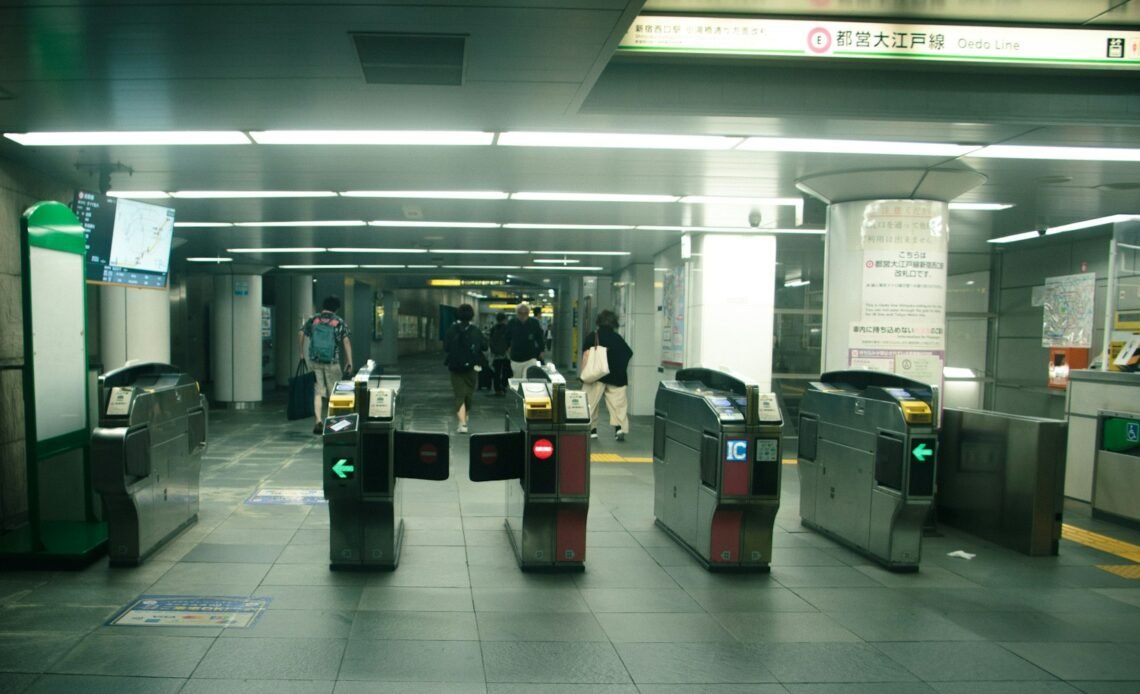
Japan’s rail map can look like a circuit board to a first-time visitor, but one small card still cuts through nearly all of it. Suica, the contactless IC card issued by JR East, lets you tap onto trains, subways, buses and trams across the country without buying a single paper ticket. For three years, though, getting one as a tourist was genuinely harder than it should have been — a global semiconductor shortage forced JR East to halt sales of unregistered physical cards in June 2023, pushing visitors toward app-based workarounds. That crisis is now over. Here’s exactly where things stand heading into 2027, and which option — plastic or phone — actually makes sense for your trip.
The chip shortage is officially resolved
JR East and Tokyo’s PASMO Association suspended sales of unregistered (anonymous) IC cards in June 2023 after the IC chips that power them became impossible to source in volume. Personalized cards — the ones requiring your name and passport details — came back first, in September 2024. The bigger relief for tourists landed on March 1, 2025: both companies resumed normal sales of unregistered Suica and PASMO cards at station ticket machines, having judged the supply crunch over. As of late 2026, that resumption has held — physical cards are sold routinely again at JR East ticket machines, station windows, and airport counters, with no renewed restrictions reported since. The two-year scramble that had travel forums warning “bring your old card or go digital” is, for now, a closed chapter.
Welcome Suica: still the tourist-specific card, still worth knowing its limits
Separate from the regular card is Welcome Suica, the deposit-free version aimed squarely at short-term visitors. It remains available at JR East Travel Service Centers at Narita Airport (Terminals 1 and 2/3), Haneda Airport’s international terminal, and a number of central Tokyo stations. The trade-off hasn’t changed since it launched in 2019: no 500-yen deposit, but the card expires automatically 28 days after first use, and any leftover balance is non-refundable. If your trip runs longer than four weeks, a standard Suica — refundable deposit, no expiry as long as you keep using it — is the better buy.
Welcome Suica Mobile: now the genuinely recommended path for iPhone travelers
The real shift since 2023 isn’t the card stock — it’s the app. JR East launched Welcome Suica Mobile on March 6, 2025, a free, tourist-specific digital card that lives in Apple Wallet. It requires an iPhone on iOS 17.2 or later (or a recent Apple Watch), carries no deposit, and is valid for 180 days from the day you issue it in the app — more than six times longer than the plastic Welcome Suica. You fund it with Apple Pay, enable Express Transit, and you can tap through gates with the phone locked, skipping the airport counter line entirely.
By 2026 the app had grown well beyond a simple fare card. It now supports in-app purchase of Green Car (first-class) tickets, and — most usefully — full Shinkansen seat reservations through the “Touch de Go! Shinkansen” feature: book your bullet-train seat in the app, then tap your phone at the gate on travel day, no paper ticket needed. For an iPhone-carrying visitor, this is now the more capable option, not just the backup plan the chip shortage forced into existence.
Android travelers: still buy plastic, for now
Here’s the catch that hasn’t resolved: Welcome Suica Mobile remains iPhone-only. As of August 2026 there is no Android release, so Android and Google Pay users should simply buy a physical Suica, PASMO, or ICOCA card on arrival — easy now that unrestricted sales have resumed. Relief is coming, but not immediately: on April 21, 2026, Samsung Electronics Japan and JR East announced a partnership to bring Welcome Suica Mobile to selected overseas versions of Samsung Galaxy phones, with service targeted for the first half of 2027. Until that actually ships, Android remains a plastic-card-only experience for inbound travelers.
Where Suica still works, and where it doesn’t
None of the underlying mechanics changed through the shortage. Suica remains interoperable with Japan’s other regional IC cards — PASMO in greater Tokyo, ICOCA around Osaka and Kyoto, TOICA, SUGOCA, Kitaca, Manaca, and PiTaPa elsewhere — so one card covers trains, subways, buses, trams, vending machines, convenience stores, many taxis, and a growing list of cafes and shops nationwide. The one place it still falls short: reserved-seat or long-distance surcharges on the Shinkansen and limited express trains. Outside of the in-app Shinkansen booking now available through Welcome Suica Mobile, a standard Suica only covers the base fare — you’ll need a separate ticket or a Japan Rail Pass for the reserved-seat surcharge itself.
- Staying under 28 days, have an iPhone: Welcome Suica Mobile — set it up before you fly, skip the airport counter.
- Staying under 28 days, have Android: physical Welcome Suica at Narita, Haneda, or a central Tokyo JR East counter.
- Staying longer than a month, or returning to Japan often: a standard Suica card — 500-yen refundable deposit, no expiry.
- Taking the Shinkansen: book seats in Welcome Suica Mobile if you have it, otherwise carry a separate reserved-seat ticket alongside your IC card.
The headline for 2026 is reassuringly simple: the card shortage that made headlines in 2023 is resolved, physical Suica is back on normal sale, and the mobile option born out of that crisis has matured into the better tool for anyone with an iPhone. Pick based on your phone and your trip length, tap in, and the rest of Japan’s transit network takes care of itself.
The promotions featured on traroro.com are provided by Klook, and traroro.com may receive compensation based on these offers. This compensation could impact the positioning and presentation of products on the site, influencing their order of appearance. The opinions expressed on traroro.com belong solely to the author and do not reflect the views of any airline or hotel chain. Furthermore, these opinions have not undergone review, approval, or endorsement by any of these entities.
