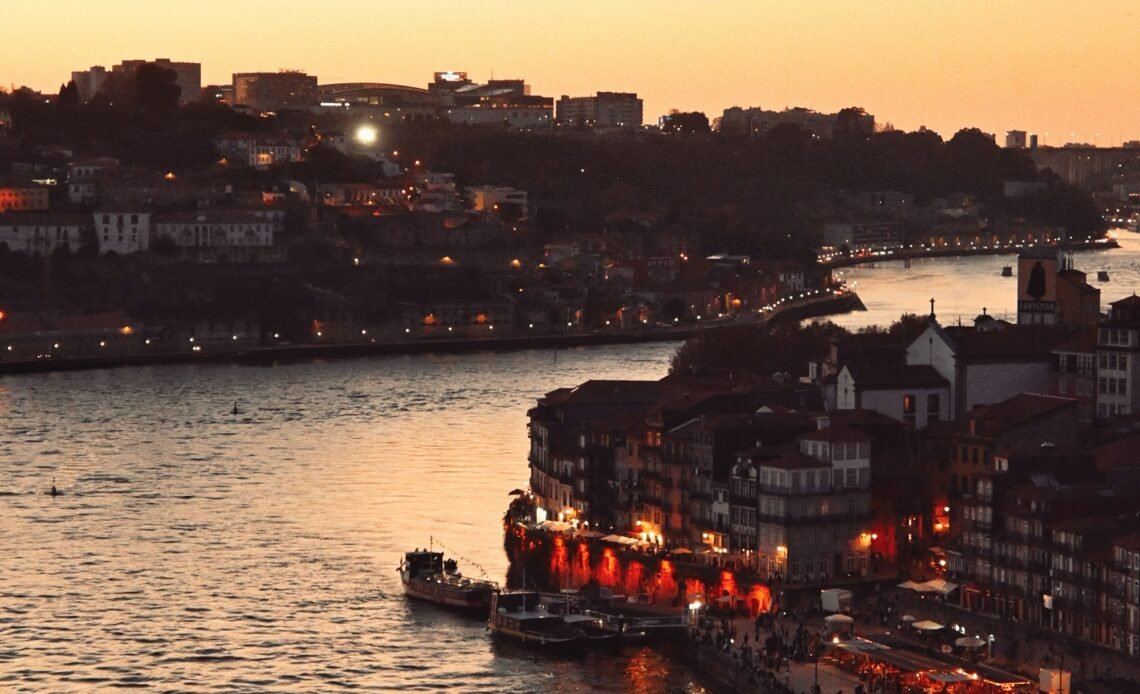
Porto doesn’t need two days to win you over — it needs three. Portugal’s second city packs Baroque churches, a UNESCO-listed riverside, and a sandwich that could stop your heart (lovingly) into a walkable downtown, then hands you a 100-kilometer wine valley as a bonus round. This itinerary has been checked against 2026 opening hours, ticket prices, and restaurant status, because half the fun of Porto is showing up somewhere that’s actually still there.

Day 1: Historic Porto and Its Signature Sandwich
São Bento Railway Station
Start at São Bento, still a fully working CP (Comboios de Portugal) station despite years of scaffolding around it from an ongoing Porto Metro tunnel project nearby — the station itself hasn’t closed and the famous entrance hall is free to walk into any time during opening hours. Its 20,000-plus hand-painted azulejo tiles, finished in 1916, narrate Portuguese history and transport scenes; give it 15–20 minutes before the day fills up with trains full of day-trippers.
Livraria Lello
A five-minute walk away, Livraria Lello remains one of the most-visited bookshops on earth, and it still runs on a timed-entry voucher system — book online in advance (the shop limits how many people are inside at once). The standard Silver voucher runs about €8, deducted from any book you buy inside; a Gold voucher (around €15.95) adds an exclusive Livraria Lello Editions title. It’s open daily, roughly 9 a.m. to 7 p.m. (slightly later in summer), closed on major holidays. The neo-Gothic staircase and stained-glass ceiling are the draw — arrive right at opening to beat the crowds that build by mid-morning.
Igreja de São Francisco
Ten minutes further, the Monument Church of St. Francis hides one of Europe’s most over-the-top Baroque interiors — roughly 100 kilograms of gold leaf coats the altarpiece. A combined ticket (church, attached museum, and catacombs) runs around €8, with discounts for students and Porto Card holders; hours generally run 9 a.m. to 7 p.m. in shoulder season, shorter in winter. The catacombs beneath the nave, visible partly through a glass floor, add a genuinely eerie 15 minutes to the visit.
Nata Sweet Nata and Cervejaria Brasão
For a mid-afternoon pastry break, Nata Sweet Nata’s original Cais da Ribeira location is still open on the riverfront (it has since added outposts on Rua 31 de Janeiro and inside Norteshopping mall), serving a custard tart reviewers consistently rate as less cloyingly sweet than the Belém standard. Then save real appetite for Cervejaria Brasão, whose Aliados location (Rua Ramalho Ortigão 28) is one of the most frequently recommended Francesinha spots in the city as of 2026, alongside Yuko’s oven-baked version and the seafood-forward Madureira’s. Brasão serves Sunday–Thursday noon–2:30 p.m. and 7–11:30 p.m., Friday–Saturday until 1:30 a.m., with a Francesinha running roughly €10–14 and a full dinner for two landing under €40.
Ribeira and the Douro Riverfront
Close day one with a walk along Ribeira’s UNESCO-listed waterfront. The colorful facades and docked rabelo boats (once used to ferry port wine barrels downriver) are free to wander; a riverside glass of port at one of the terrace bars along Cais da Ribeira runs about €4–7. Sunset here, with the Dom Luís I bridge lit up behind you, is the single most photographed moment in the city for good reason.
Day 2: Cathedral Heights, a Cable Car, and Port Wine Cellars
Mercador Café
Fuel up at Mercador Café on Rua das Flores 180, a all-day brunch room in a restored 18th-century building; it’s closed Sundays, so plan Day 2 for a weekday or Saturday if breakfast here matters to you. Expect fresh juices, eggs several ways, and a quiet courtyard seating area away from the street.
Porto Cathedral (Sé do Porto)
The Romanesque-Gothic cathedral nave is free to enter. The paid add-on — the 14th-century Gothic cloister lined with azulejo panels, plus the tower — costs roughly €3–4 (about €1 less with a Porto Card). Hours run approximately 9 a.m. to 6:30 p.m. in summer and 9 a.m. to 5:30 p.m. in winter, closed Christmas and Easter Sunday.
Clérigos Tower
Climb the 240 steps of Clérigos Tower for the best 360-degree view in the city. As of 2026, the day ticket (tower plus the attached museum) runs about €10 for adults, €7 for students and visitors aged 11–18, free under age 10. It’s open daily 9 a.m. to 7 p.m., with a summer “Clérigos by Night” evening slot (7–11 p.m., last entry 10:30 p.m.) running from early July through mid-October. Book a timed entry online — slots run every 30 minutes and sell out on weekends.
Gaia Cable Car and a Port Wine Cellar
Cross the upper deck of the Dom Luís I bridge on foot into Vila Nova de Gaia, then ride the Teleférico de Gaia (Gaia Cable Car) down to the riverfront — a five-minute glide with views over the Douro and the port lodges, priced around €6 one-way or €10 return, running roughly 10 a.m. to 8 p.m. in low season and later in summer. Once down at river level, book a cellar visit: Taylor’s offers a self-guided tour with a terrace view for about €25, while Graham’s runs a guided, two-hour premium tasting for around €40. Both are genuine working port lodges, not reconstructions, and both pour samples at the end.
Day 3: A Day Trip Into the Douro Valley
This is the day that turns a city break into something bigger. The Douro Valley — the oldest demarcated wine region in the world, established in 1756 — starts about 100 kilometers east of Porto, and the most scenic way in is the CP regional train that hugs the river the entire way.
Getting There
Trains on the Douro Line leave from São Bento (some early departures start from Porto Campanhã, so check which station your ticket shows). The ride to Peso da Régua takes about 1 hour 55 minutes; continuing to Pinhão, the valley’s most photogenic stop, takes roughly 2 hours 20 minutes. A same-day round-trip ticket to Pinhão runs in the neighborhood of €25, though CP fares shift with its annual price list, so check cp.pt before booking. If you’d rather not plan it yourself, bundled day tours (round-trip train or minivan, a quinta visit, wine tasting, and a short rabelo boat cruise on the river) run from about €49 to €75 per person and remove the logistics entirely.
What to Do Once You’re There
Pinhão’s tiny station is itself tiled in azulejos depicting the grape harvest — worth photographing before you’ve even left the platform. From there, most quintas (wine estates) sit a short taxi or tuk-tuk ride up into the terraced hillsides; a standard tasting of three to five Douro reds or ports runs roughly €10–20. Pair it with a one-hour rabelo boat cruise along the river (commonly included in bundled packages, or bookable separately in Pinhão for around €15–20), which is the best way to actually see the terracing that makes this valley a UNESCO World Heritage Site. If you have extra time, Peso da Régua — one stop before Pinhão — has the Douro Museum and makes a reasonable alternate base. Aim to catch a train back to Porto by early evening; the last direct services run earlier than big-city visitors expect.
Practical Tips for 2026
Best time to visit: April–June and September–October give mild weather and shorter lines without peak-August heat (regularly above 30°C) or crowds. Getting around: downtown Porto is walkable but hilly — wear real shoes. The Andante card covers metro, bus, and the funicular; buy it at any metro station and load trip credit as needed. Rough daily budget: figure €60–90 per person for a mid-range day covering two attraction tickets, a sit-down lunch and dinner, and transit — the Douro Valley day will run higher if you book a bundled tour. Book ahead: Livraria Lello and Clérigos Tower both sell out same-day slots in high season; reserve both at least a few days out.
