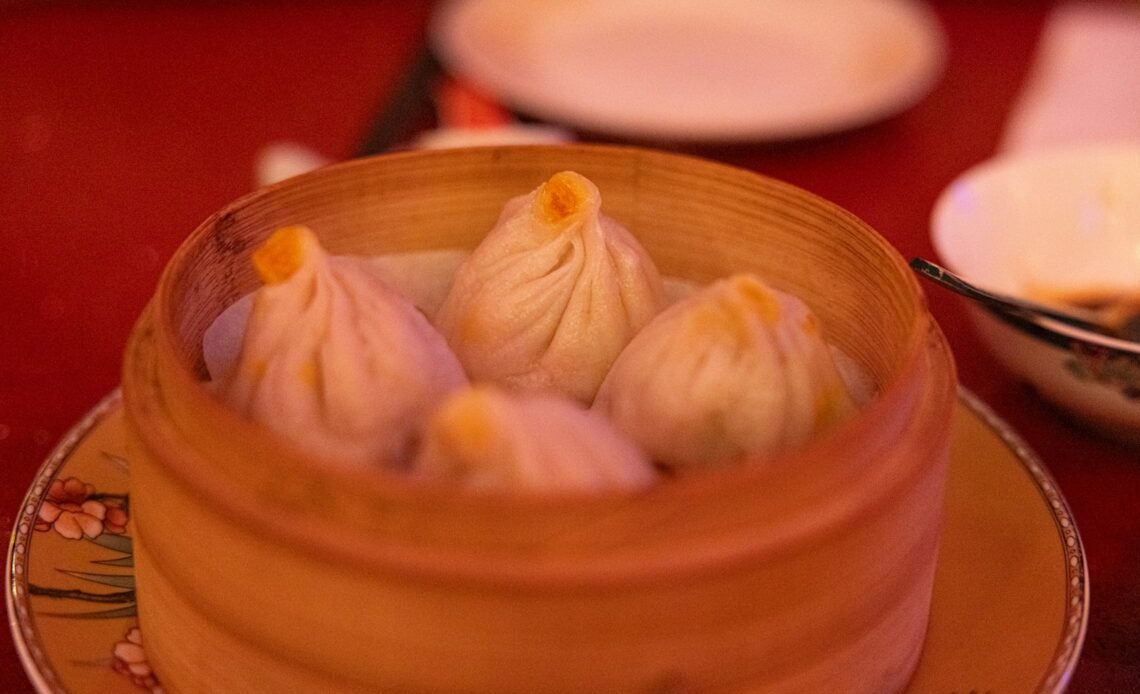
Seventeen years ago, a two-storey shop on a residential strip in Sham Shui Po did something no Hong Kong dim sum house had done before: it walked away with a Michelin star in the very first Hong Kong & Macau guide, in 2010, while charging less than HK$50 a plate. The headlines wrote themselves — “the world’s cheapest Michelin-starred meal” — and Tim Ho Wan has been feeding that reputation, and feeding Sham Shui Po, ever since. The star eventually gave way to a Bib Gourmand as Michelin’s criteria shifted for casual eateries, but the 2026 Michelin Guide Hong Kong & Macau, published this year, kept the Fuk Wing Street branch on its list for the 17th consecutive year — a run very few restaurants anywhere can claim.
That consistency matters more than usual right now. Tim Ho Wan was bought by the Philippines’ Jollibee Group in January 2025, and 2026 has been the chain’s first full year under new ownership — the kind of transition that often loosens standards at a landmark food brand. It hasn’t, at least not at the original Sham Shui Po shop, which Jollibee has kept running on the same chef-training and sourcing systems that built the name.
Where it started, and why it still matters
Tim Ho Wan (添好運) was founded in 2009 by Mak Kwai Pui and Leung Fai Keung, two dim sum chefs who trained at the three-Michelin-starred Lung King Heen inside the Four Seasons Hong Kong. The idea was deliberately contrarian: take Four Seasons-level technique and strip away the white tablecloths, the harbour view, and the triple-digit bill. The Sham Shui Po branch, at 9–11 Fuk Wing Street, opened in 2010 and is the one that still draws queues of locals and tourists alike before the doors open at 8am. It’s a working-class Kowloon address — Sham Shui Po is Hong Kong’s garment and electronics district, not a dining destination on its own — which is exactly the point: this is dim sum priced for the neighbourhood, not for visitors, even though visitors now make up a large share of the line.
The shop is small — two floors, shared tables, no reservations taken through Michelin’s own booking system, and a phone line (+852 2788 1226) that the restaurant fields directly. Michelin’s guide entry tags it “值得等候” — worth the wait — and anyone who has stood in the Fuk Wing Street queue at 9am on a Saturday can confirm the tag is earned literally, not just as a figure of speech.
What to order
The menu runs more than 20 items deep and rotates a handful of dishes every two to three months, but four plates have stayed constant since 2010 and are the reason people still make the trip:
- 酥皮焗叉燒包 (Baked Bun with BBQ Pork), three pieces for HK$29 — the dish that made the restaurant famous: a sweet, cookie-like crust baked rather than steamed around a filling of char siu, invented at Tim Ho Wan specifically to put a twist on the traditional steamed version.
- 蝦餃 (Har Gow, steamed shrimp dumplings), HK$41 — translucent-skinned, hand-pleated, and judged by regulars on whether the shrimp inside still has bite.
- 陳皮牛肉球 (Steamed Beef Balls with Tangerine Peel), HK$27 — a texture play of minced beef and water chestnut, lifted by dried citrus peel instead of the usual Worcestershire-sauce dip.
- 豬潤腸粉 (Rice Noodle Rolls with Pig’s Liver), HK$32 — a dish most tourist-facing dim sum houses have quietly dropped from their menus; Tim Ho Wan still runs it alongside shrimp and BBQ pork versions of the same silky rice roll.
A typical order for two — a basket each of har gow and baked pork buns, one rice roll, a beef ball plate and a pot of tea — lands somewhere around HK$150-180 total, roughly the price of one starter course at most of the harbourfront restaurants that share Tim Ho Wan’s Michelin page.
The Bib Gourmand distinction, explained
Michelin’s Bib Gourmand is a separate honour from its star system, reserved for restaurants the inspectors judge to offer exceptional food at moderate prices — in Michelin’s own shorthand, “good quality, good value cooking.” It’s a different bar than a star, not a lesser version of one, and it’s the category that now fits Tim Ho Wan’s dai pai dong-adjacent format better than a star ever did once the chain expanded past a single shop. The Sham Shui Po branch earned the designation again in the 2026 edition, continuing an unbroken run that stretches back to the 2010 guide — longer than Tim Ho Wan has operated branches in Singapore, Manila, Tokyo, and the United States combined.
For a visitor, that distinction is a practical signal, not just a badge: it means the kitchen here is still judged against the same standard that made it famous in 2010, not coasting on the brand name the way some first-generation locations of expanded chains do. The queue outside Fuk Wing Street most mornings is the market’s own verdict on whether that holds up.
Getting there
Tim Ho Wan Sham Shui Po is a six-minute walk from Exit B2 of Sham Shui Po MTR station on the Tsuen Wan line. It’s open daily, 8am to 9:30pm, with no online reservations — walk-ins only, and expect to share a table during lunch service. Weekday mid-morning, after the breakfast rush and before lunch, is the realistic window for skipping the worst of the queue.

