The last quarter of the year is usually when brands quietly ship their most practical work — not flashy flagship reveals, but fixes for things that have annoyed people for years: a power bank that overheats, an air purifier too bulky for a bedroom, a hot-air brush that fries fine hair, a portable speaker priced for an actual impulse buy. Four recent 2026 launches fall into that category, and each has a real price tag and a specific problem it was built to solve.
This article contains Amazon affiliate links. As an Amazon Associate, we earn from qualifying purchases — see our Affiliate Disclosure for details.
Dyson Airsmooth Styling Brush — $249
Dyson’s newest hair tool ditches the barrel shape entirely for a teardrop-shaped brush head, a redesign aimed squarely at the dry, static-prone hair that cold-weather heating makes worse. The Airsmooth runs four heat settings between 185°F and 240°F, pulls 950 to 1080 watts depending on setting, and uses anti-snag bristles designed to glide through fine or fragile hair without the tugging that gives hot brushes a bad reputation. It ships with a universal 100–240V voltage, so it travels internationally without a converter — a detail aimed at people who style their hair in hotel bathrooms as often as their own. In the US it retails for $249 through Dyson and electronics retailers like Abt; UK pricing lands lower, at £199.99 through John Lewis, reflecting the usual regional spread in Dyson’s launch pricing.
Dyson HushJet Purifier Compact — $349.99
Dyson’s full-size air purifiers have always had a sizing problem: great filtration, but too tall and too loud for a studio apartment or a kid’s bedroom. The HushJet Purifier Compact, which launched in the US on September 30, 2026 for $349.99, is Dyson’s answer — a smaller unit built around a 360° electrostatic filter that the company says captures 99.97% of particles as small as 0.3 microns, rated to cover rooms up to roughly 100 square meters (about 1,075 square feet, though most reviewers note real-world comfort tops out closer to a single large room). Its headline feature is noise: a dedicated night mode that runs at 24 decibels, quiet enough to leave on overnight next to a bed, which has been the main complaint about Dyson’s larger Purifier Cool and Purifier Hot+Cool models for years. The filter itself is rated for roughly five years of use before replacement, cutting down on the recurring cost that usually comes with HEPA-based purifiers.
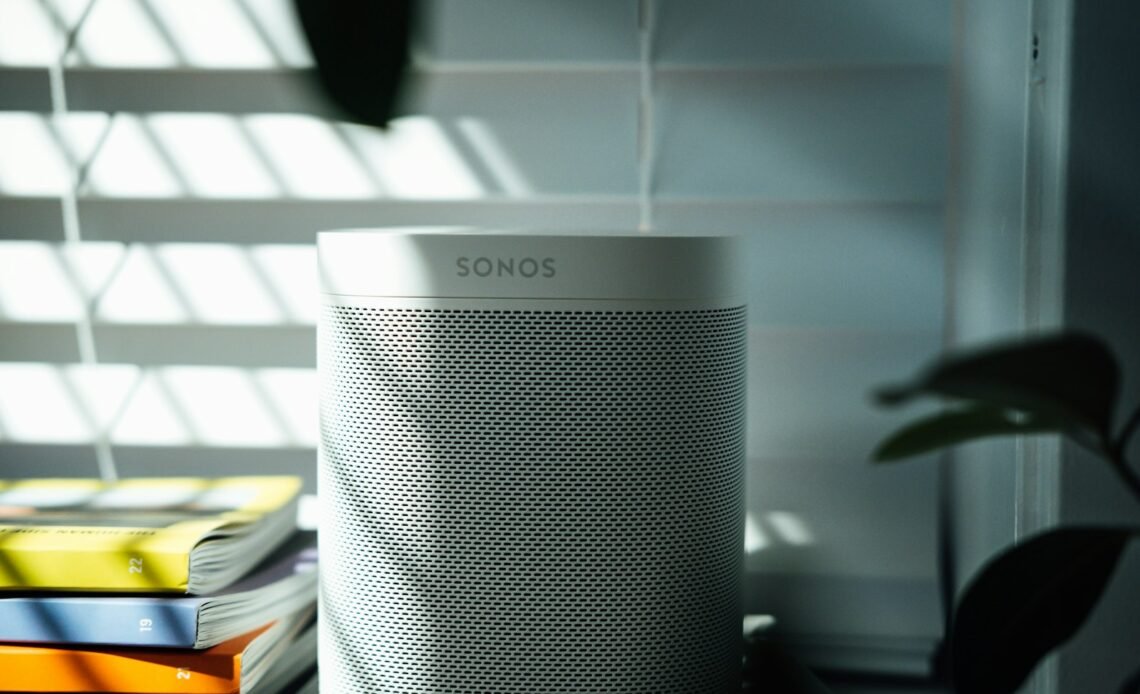
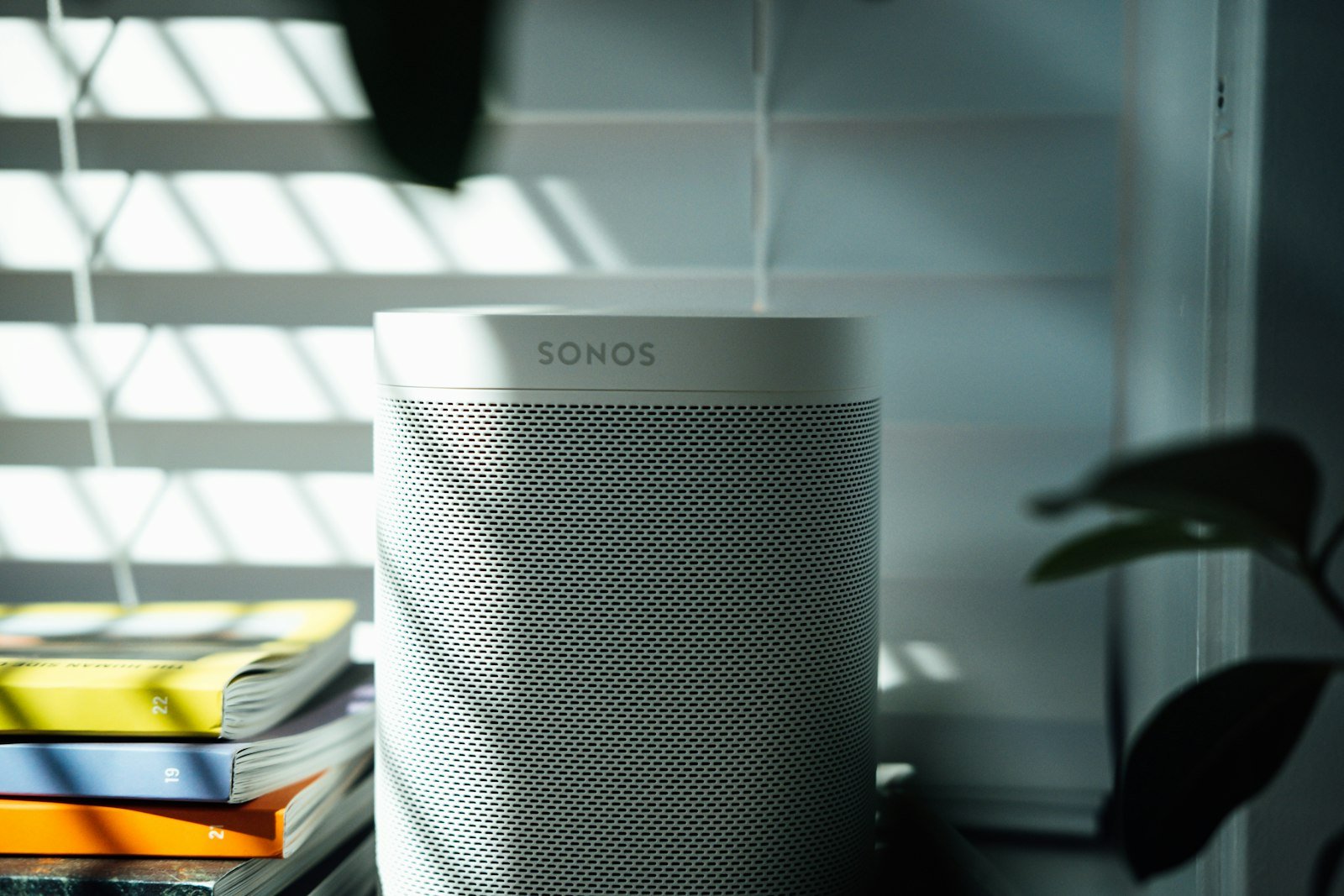
Sonos Play — $299
Sonos spent 2024 and 2025 mired in a botched app redesign and a string of canceled hardware projects, so the Play — the company’s first new consumer speaker since that mess, announced March 10, 2026 and shipping March 31 — mattered more as a signal than a product. It’s a portable, waterproof speaker priced at $299, slotting between the $179 Roam 2 and the $499 Move 2 in Sonos’s own lineup, and it comes in black, white, and sand finishes with a 4.9 average customer rating on Sonos’s own site. It supports AirPlay 2 and charges over USB-C, and an optional $49 charging base and $568 two-speaker “Adventure Set” bundle round out the accessory lineup. For longtime Sonos households, the more meaningful news may be less the Play itself than what the company has said about it: a promise to ship hardware “throughout 2026” after more than a year of near-silence, following up with an Amp Multi for custom installs in January and an Era 100 SL alongside the Play in March.
Anker MagGo Power Bank 2 Pro — $109.99
Anker unveiled the MagGo Power Bank 2 Pro at IFA Berlin in early September 2026, and its one genuinely new feature is a built-in cooling fan — a direct response to the heat buildup that’s long been the biggest complaint about magnetic wireless power banks, which clip directly to a phone’s back and can turn uncomfortably warm during a full charge. Anker says the fan keeps the unit under 96.8°F (36°C) even under sustained use. It holds 10,000mAh, delivers 25W over Qi2.2 magnetic wireless charging, and also has a wired 45W USB-C port for charging a laptop or tablet at full speed. It weighs 220 grams — closer to a small paperback than most phone-sized battery packs — and went on sale in the US and Europe in mid-September at $109.99 (€109.99 in the eurozone). For anyone who has given up on magnetic power banks because they make a phone too hot to hold, it’s the first model built specifically to fix that.
The Common Thread
None of these four launches are chasing a new category — they’re all second- or third-generation fixes to products that already existed, aimed at a specific, well-documented annoyance: heat damage, bedroom noise, a brand’s own silence, overheating hardware. That’s a quieter kind of news than a brand-new gadget category, but it’s often the more useful one to actually know about before the holiday shopping lists start circulating. Judge each by the problem it solves rather than the novelty of the pitch, and the one worth buying is usually the one that matches an annoyance you already have.
