Black Friday 2026 lands on November 27, and the deals that actually move the needle on smart-home gear aren’t the generic “30% off electronics” banners — they’re the specific AI-powered devices that have gotten dramatically better at their one job: a robot vacuum that now tells walls apart from furniture, a doorbell that knows the difference between a delivery driver and a stranger testing your lock, a thermostat that’s been quietly learning your schedule for years. Retailers haven’t published 2026 Black Friday pricing yet, so treat every price below as today’s real list price, not a Black Friday price — but the historical discount patterns on these exact product lines are well documented, and that’s the part worth planning around now.
This article contains Amazon affiliate links. As an Amazon Associate, we earn from qualifying purchases — see our Affiliate Disclosure for details.
Amazon Echo Show 8 (3rd Gen) — The AI Hub That Actually Controls Everything Else on This List
The Echo Show 8 is the control panel for most of the other devices here: it’s the screen you’ll glance at to see who’s at the door, adjust the thermostat, or check the vacuum’s progress. Amazon has been rolling its generative Alexa+ assistant onto Echo Show hardware through 2026, which changes what the device actually does — instead of rigid voice commands, it can hold a multi-turn conversation (“turn down the living room thermostat by two degrees and tell me when the vacuum finishes”), summarize your camera’s motion clips in plain language, and reason across connected devices rather than triggering them one at a time. List price currently runs $149.99. Echo Show 8 is one of Amazon’s most reliable Black Friday markdowns — it hit $79.99 (nearly 50% off) in multiple past Novembers — so if any device on this page is worth waiting for a real doorbuster, it’s this one.
Roborock Qrevo Curv 2 Flow — AI Mapping That Tells a Cat Bowl From a Chair Leg
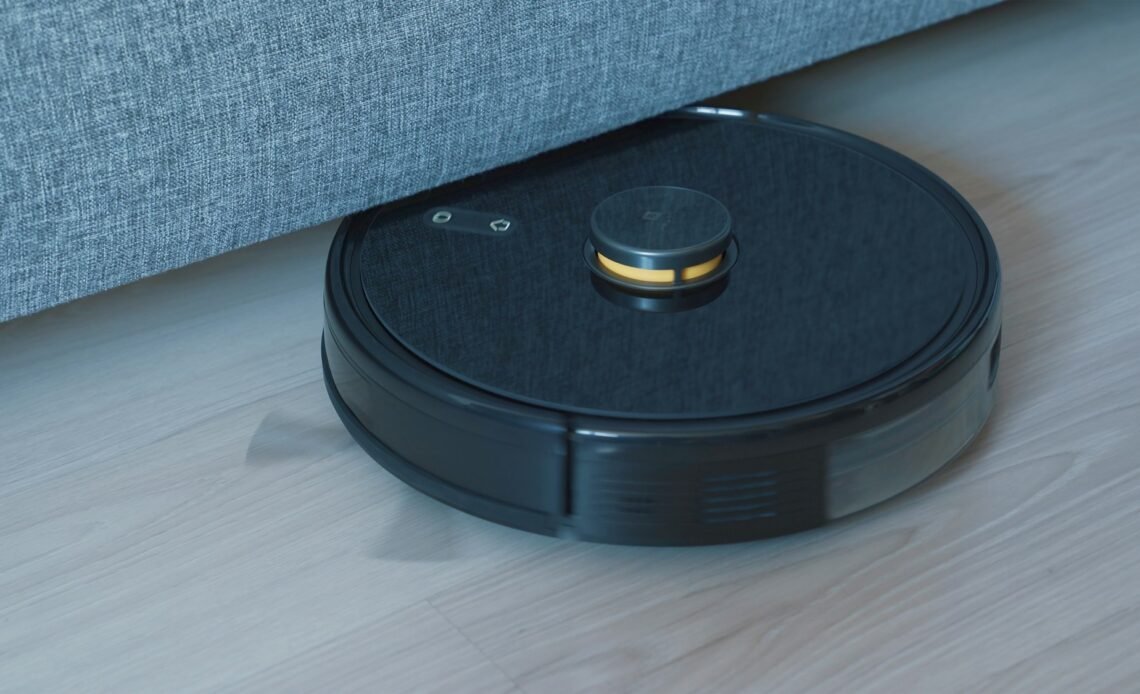
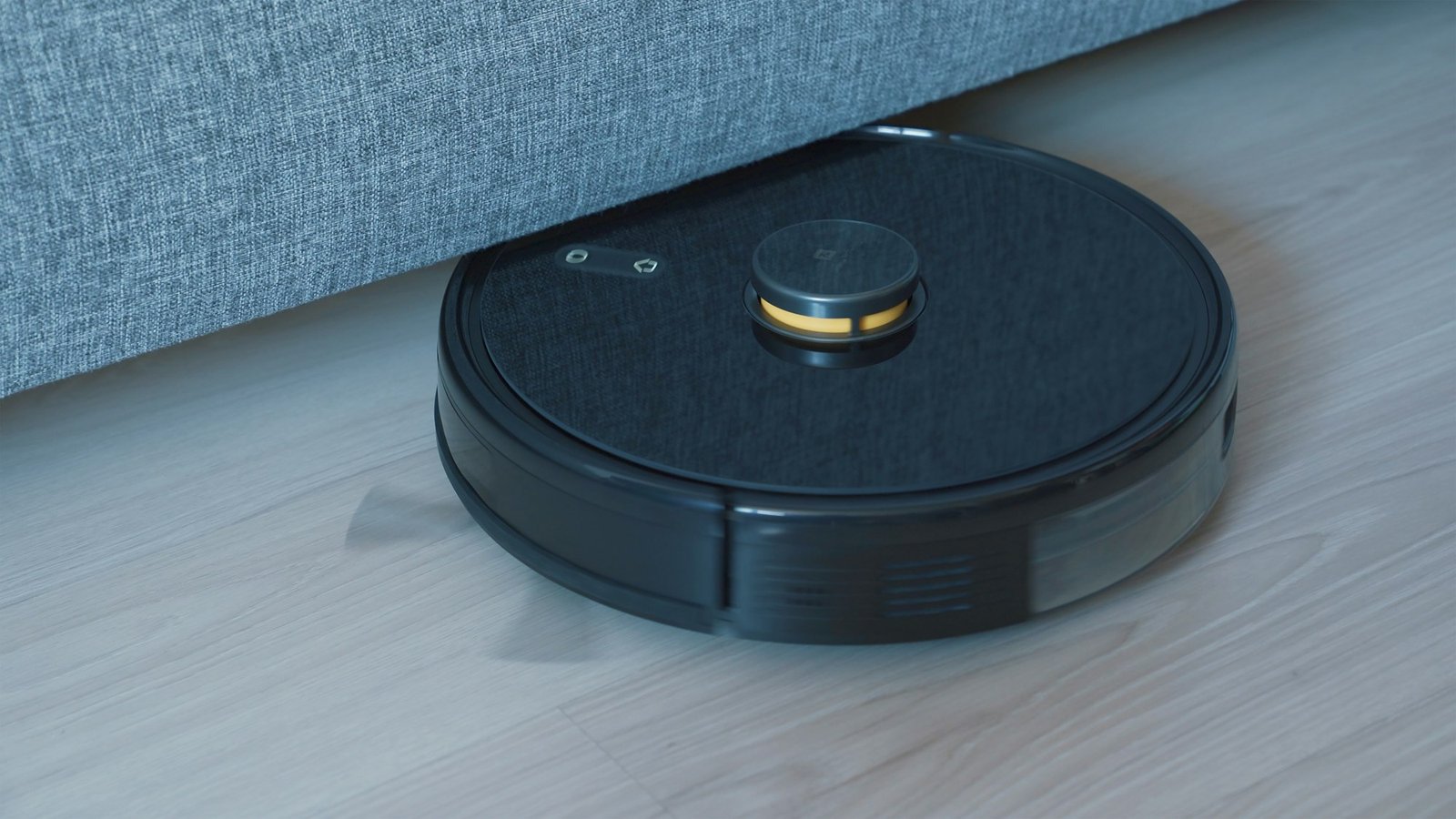
Roborock’s newest flagship uses onboard AI object recognition (the company calls it part of its Reactive Tech AI obstacle system) built on a camera-and-sensor array that classifies objects in its path in real time, rather than just stopping at anything solid. In practice that means it can distinguish a charging cable from a rug fringe, or a pet’s water bowl from a table leg, and route around each differently instead of bumping into all of them the same way. It pairs that with 20,000Pa suction and a self-cleaning roller mop that lifts and washes itself between passes. List price is $1,299.99, though it’s been selling for $699–$999 on Amazon through much of 2026 — Roborock discounted its Saros 10R by roughly 37% ($999.99 off a $1,599.99 list) during Black Friday 2025, and flagship Qrevo and Saros models are consistently the brand’s deepest November markdowns.
Google Nest Learning Thermostat (4th Gen) — The Original “AI” Smart-Home Device, Still the Benchmark
Nest’s thermostat was arguably the first mainstream “AI” smart-home product, and the core idea hasn’t changed: it watches when you manually adjust the temperature over the first week or two and builds a schedule from that behavior instead of making you program one. The 4th generation adds Farsight, a larger display readable from across the room, and tighter integration with the Nest Temperature Sensor, which lets the system prioritize the actual temperature in the room you spend time in rather than wherever the thermostat happens to be mounted. Google also estimates average users save 10–12% on heating and 15% on cooling costs annually through its auto-scheduling. The bundle with a Nest Temperature Sensor currently lists for around $279.99–$379.99 depending on finish, but Amazon deal pricing has repeatedly dropped it to $229.99–$230 in past sales cycles, including around the 2025 holiday period — a realistic range to watch for this Black Friday.
Ring Battery Doorbell Pro — AI That Knows the Difference Between a Package and a Person
The Battery Doorbell Pro records in 4K and runs Ring’s AI-based person and package detection, which analyzes motion events and classifies what triggered them — rather than just firing an alert every time a leaf blows past the lens. With a Ring Protect subscription active, it can tell you specifically that a package was dropped off or that a person (not a car, not an animal) is in the designated zone you’ve drawn around your porch, cutting down the number of “someone walked by” notifications that make most doorbell cameras annoying to own. Newer units also ship with a trial of Ring’s AI Pro tier, which adds natural-language video search (“show me when the dog was in the yard”). The bundle with a Ring Indoor Cam lists at $249.99. Ring doorbells are a near-annual Black Friday fixture — past Novembers have seen 30–40% cuts on this exact tier.
Arlo Pro 5S — A Security Camera That Filters Its Own Alerts
The Pro 5S shoots 2K HDR and, with an active Arlo Secure plan, runs AI detection that separates people, vehicles, animals, and packages into distinct alert categories instead of lumping every bit of motion into one notification. You can tell it to only alert you about people entering a specific zone of the yard, which matters more than the resolution bump once you’ve lived with a camera that pings you every time a shadow moves. It’s wireless and battery-powered with a magnetic mount, so it goes up without running wire, and it includes a spotlight for color night vision. List price is $99.99–$249.99 depending on pack size and current promotions; it dropped as low as $54.99 for a single camera in a past Amazon deal, which is the kind of swing worth watching for again this November.
Levoit Core 600S-P — An Air Purifier That Adjusts Itself Instead of Running Full-Blast All Day
The least “flashy” AI device on this list is also one of the most quietly useful: the Core 600S-P has a built-in air quality sensor feeding an auto mode that raises or lowers fan speed based on actual particle counts in the room, rather than running at one fixed speed or requiring you to adjust it by hand. Levoit rates it for rooms up to about 2,933 square feet at a baseline air-change rate, with a 3-stage filtration system (pre-filter, HEPA, activated carbon), and it reports live PM2.5 readings to the companion app and to Alexa or Google Assistant if you ask. List price is $299.99. It’s a frequent Amazon deal item even outside Black Friday — it sat at $249.99 (about 17% off) during a 2026 spring allergy-season sale — and Levoit typically runs its air purifiers 20–30% off during the November sales window.
What to Actually Do Between Now and November 27
None of the prices above are Black Friday prices — they’re today’s real list prices, with historical context on how far each device has dropped in past years. The pattern across all six is consistent: Amazon and the brands themselves (Roborock and Ring especially) tend to start cutting smart-home AI prices as early as the second week of November, and the deepest cuts usually land on either the previous year’s flagship or on bundles that pair a core device with an accessory, like the Nest Thermostat-plus-sensor pack or the Ring doorbell-plus-indoor-cam set. The better strategy is to pick the device whose AI feature actually solves a problem you have — fewer false alerts, less manual scheduling, cleaner floors without babysitting a vacuum — and watch its specific price history rather than chasing whichever banner looks biggest on the day.
