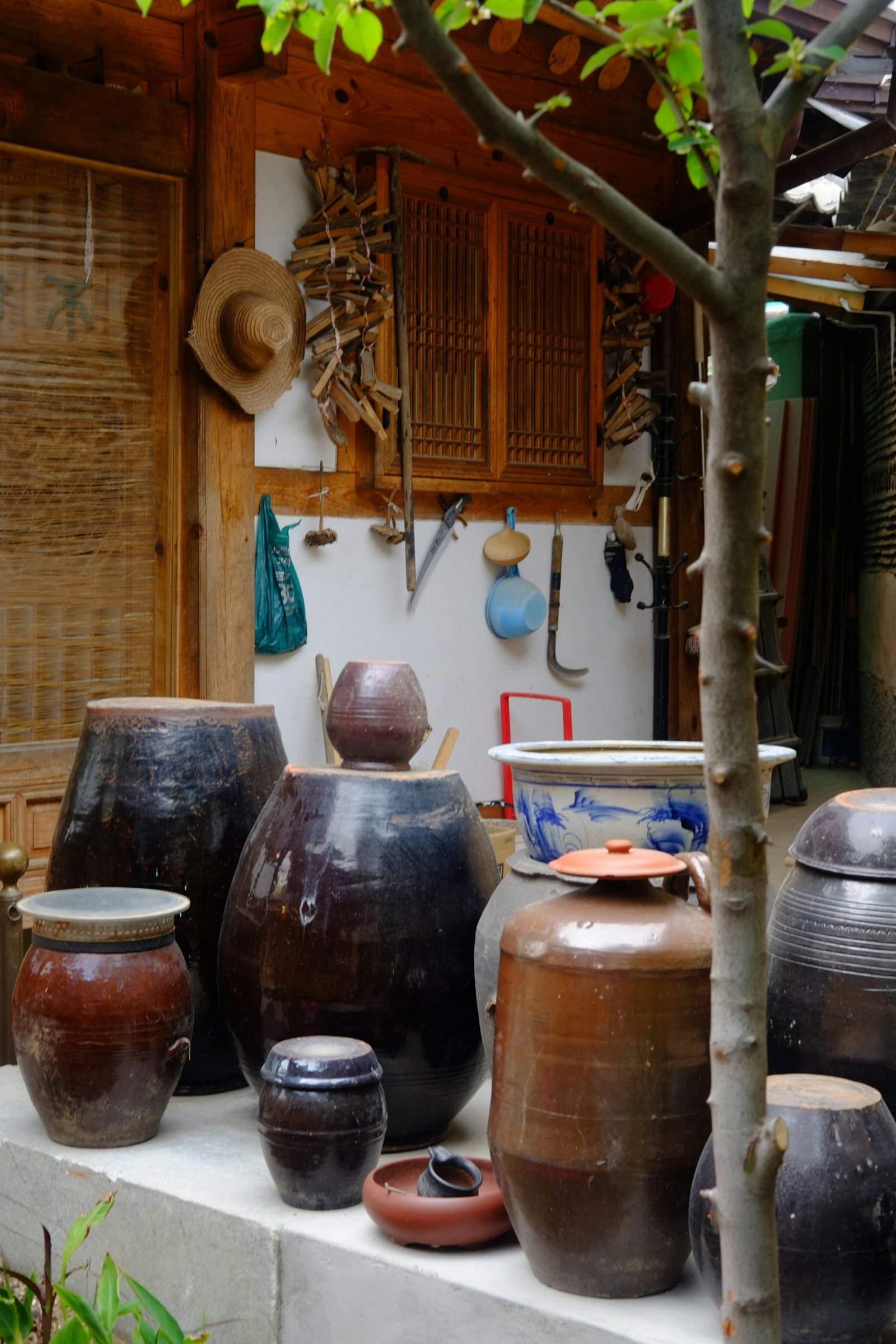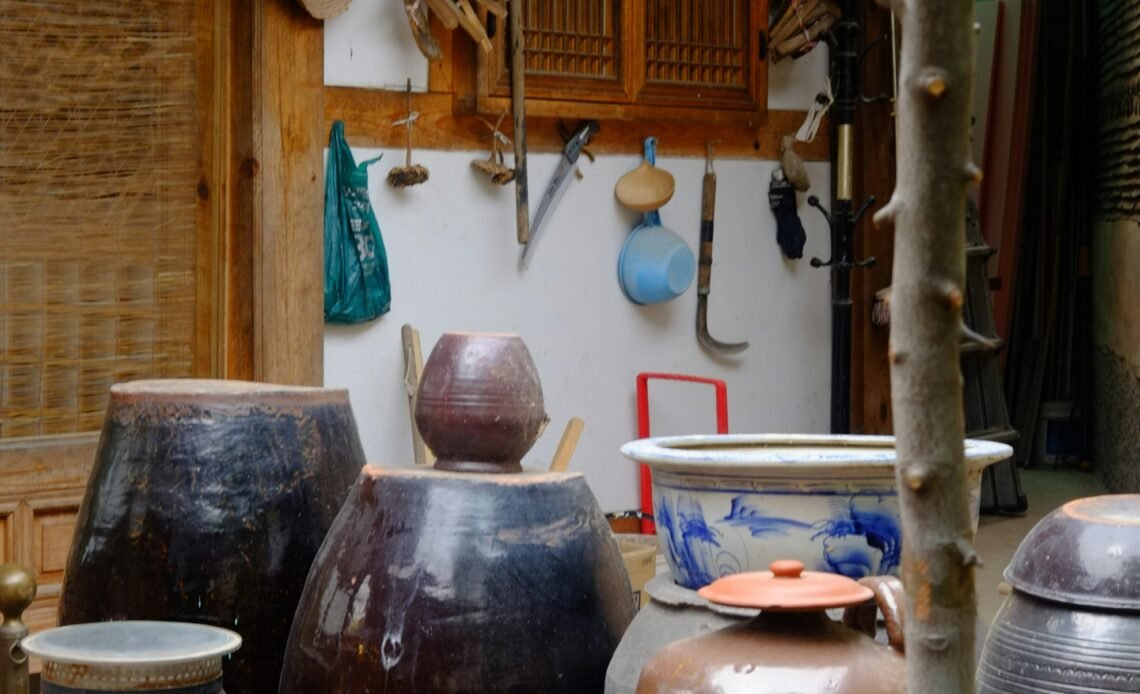
Korea’s fermented soybean sauces have a paper trail stretching back to the year 683, when the Samguk sagi — the official chronicle of the Three Kingdoms — recorded doenjang, ganjang, and meju among the wedding gifts sent for King Sinmun’s marriage. Thirteen centuries later, those same three jang are the backbone of a seven-course tasting menu at Mingles, the Seoul restaurant that holds South Korea’s only three Michelin stars and just placed No. 4 on Asia’s 50 Best Restaurants 2026. Chef Kang Min-goo didn’t invent jang. He spent four years studying it well enough to put it on a dessert plate.
A Sauce Older Than the Kingdom That Wrote It Down
Jang — the umbrella term for Korea’s fermented soybean and chili condiments — is genuinely ancient, even if historians can’t pin an exact birth year on it. Journal reviews trace fermented soybean products in the region to the Bronze Age, with some estimates putting early fermented-bean evidence as far back as 1500 BCE. What’s firmly documented is the 683 CE reference in the Samguk sagi, and later Joseon-era texts like Guhwangchwaryo and Jeungbo sallim gyeongje, which laid out detailed brewing procedures for doenjang and ganjang — proof that by several centuries ago, jang-making was already a codified craft, not folk improvisation. Gochujang, the chili-based member of the family, is the youngest of the three, arriving after chili peppers reached Korea.
The process hasn’t changed much in principle. Soybeans are boiled, mashed, and formed into meju — dried fermented bricks — which are hung to ferment before being submerged in brine. The solid that settles becomes doenjang; the liquid that’s boiled off becomes ganjang, Korean soy sauce. It’s slow, seasonal, and traditionally made once a year in onggi, the same glazed earthenware jars still used in home courtyards across the country today.
From Nobu to Three Stars
Kang Min-goo’s path to jang ran through French and Japanese kitchens, not a Korean grandmother’s courtyard. He trained under Martin Berasategui in San Sebastián, then worked at Nobu’s outposts in Miami and the Bahamas, before returning to Seoul to open Mingles in Gangnam in 2014. The restaurant earned its first Michelin star in 2017, the same year the Seoul guide launched, and climbed steadily — a 9th consecutive Michelin Guide appearance culminated in three stars in the 2025 guide, a rating it held onto in the 2026 edition released this past February. It remains the only three-Michelin-star restaurant in South Korea.
What got it there is a menu built on homemade jang rather than a French tasting-menu template with Korean garnishes. Kang has said plainly that it isn’t Korean food to him without jang worked into the dish somehow, and he’s spent years studying the sauce seriously enough to be writing a book about its history. His most-cited creation is the Jang Trio — a dessert that reinterprets doenjang, ganjang, and gochujang in a French pastry format, built around his own observation that fermented soybean pastes pair unexpectedly well with dairy: butter, cheese, coconut cream. It’s the dish that turns a 1,300-year-old farmhouse condiment into a plated finale a Michelin inspector writes home about.
What a Seat Costs
Mingles runs on a seasonal, jang-forward tasting menu rather than à la carte ordering — Kang’s stated philosophy is not eating the same dish out of season. Pricing has risen alongside the stars: the Seoul Tourism Organization’s 2026 guide lists the tasting menu at roughly ₩300,000–₩380,000 per person (about US$215–US$275), with wine pairings starting around ₩120,000 more; a separate 2026 pricing guide citing the restaurant’s own booking pages puts lunch at ₩320,000 and dinner at ₩420,000, noting prices rose again in March 2026. Reservations go through the CatchTable app and reportedly fill within hours of release — book the moment a window opens rather than waiting to see availability.
Going
Mingles is in Gangnam, central Seoul’s business and dining district, a short taxi ride from Gangnam Station on Line 2. First-timers should go in expecting the Jang Trio dessert as the dish to build the meal around — it’s the clearest expression of what the restaurant is actually doing, which is translating a condiment older than most of Korea’s recorded history into a language Michelin already speaks fluently. Vegetable-forward courses built around seasonal banchan reinterpretations are the other thing regulars mention; ask what’s in season rather than expecting a fixed menu, since Mingles changes dishes with the calendar by design.