While the rest of the fitness industry chases forty-five-minute HIIT classes and reformer Pilates waitlists, a twenty-year-old Minnesota company is making the opposite bet: that most people are better served by two thirty-minute strength sessions a week than by five hours of cardio. Discover Strength, founded in 2006 by exercise physiologist Luke Carlson, marked its 20th anniversary this past May and has spent 2026 translating that bet into real estate — opening its first Massachusetts studio in Wellesley Square this November, its first Florida and New Jersey locations earlier in the year, and setting a long-term target of roughly 250 U.S. studios, up from the 43 currently open across 14 states. It is a slower, more clinical model than the boutique-fitness names that have dominated headlines this year, and that is precisely the point its founder is making.
The pitch: thirty minutes, twice a week, no more
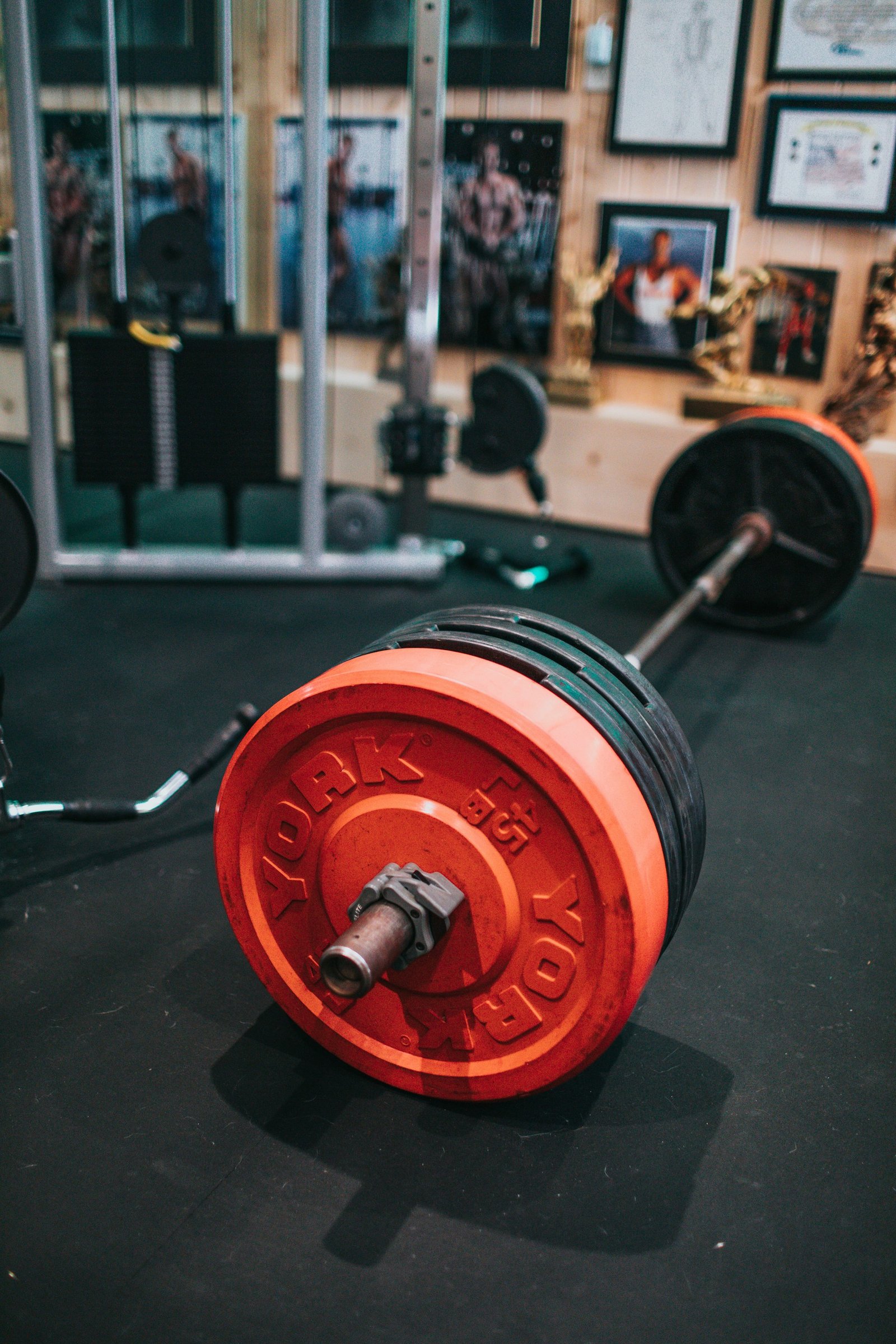
Discover Strength’s entire format is built around a single constraint: sessions run exactly 30 minutes, programmed twice per week, and are supervised by exercise physiologists rather than certified personal trainers off a generic template. Members work through slow, controlled resistance training — on machines or free weights, taken to a genuine point of muscular fatigue — rather than circuit-style cardio-strength hybrids. The company leans on a 2022 study published in the International Journal of Exercise Science, which found measurable strength gains from as little as two weekly resistance sessions, as the evidence base for why more frequent, longer workouts aren’t necessary for most goals: injury rehabilitation, athletic performance, weight management, or simply aging without losing muscle mass. It’s a deliberately unglamorous pitch next to names like Pvolve or HYROX — there’s no proprietary equipment line, no influencer choreography — but it’s also why Discover Strength markets itself as evidence-based rather than trend-based.
From one Minneapolis studio to a 250-location target
Discover Strength started franchising in 2020, fourteen years after Carlson opened the original Minneapolis location, and growth has accelerated sharply since: from roughly 20 locations in mid-2024 to 43 by September 2026, with seven new studios — in Roswell, Georgia; Naples, Florida; Nashville, Tennessee; and Lake Saint Louis, Missouri, among others — opening in 2026 alone. The brand entered New Jersey in March and opened its first Florida location in Naples shortly after. Its newest, in Wellesley Square outside Boston, opened in early November under local franchisee Alexei Erchak and arrives as Boston climbed to No. 10 on the American College of Sports Medicine’s 2026 American Fitness Index, up from No. 13 the year before — part of the reasoning the company has given for targeting Greater Boston for additional sites.
Carlson has been candid about resisting a hypergrowth playbook. In a 2024 interview he floated 500 to 1,000 U.S. locations as technically feasible; by this September, talking to Athletech News about the Boston opening, he’d settled on a more conservative long-term figure of about 250, explicitly trading scale for consistency. “Scale can be a double-edged sword,” he said. “The bigger you get, the harder it becomes to protect the things that made you successful.” The company points to a systemwide Net Promoter Score of 94 — a figure it says it wants to hold onto as it expands — as the metric it’s most protective of.
What it actually costs
Pricing is set locally rather than nationally, but published rates from one of the company’s studios give a workable benchmark: one-on-one sessions with an exercise physiologist run $63 on an autopay plan or $74 booked individually, while small-group sessions — the more common format — run $40 on autopay or $45 single-visit. At two sessions a week on autopay small-group pricing, that works out to roughly $320–$350 a month, positioning Discover Strength well above a Planet Fitness membership but in line with, or slightly under, boutique strength and reformer studios charging $30–$45 per single class. The company has also partnered with Truemed to let members put HSA and FSA dollars toward sessions, framing the workouts as a medical-adjacent expense rather than a discretionary fitness purchase — a positioning choice that tracks with its exercise-physiologist staffing model. On the franchise side, Discover Strength is actively recruiting single- and multi-unit operators at a $52,000 initial franchise fee, with total investment estimated between $463,000 and $877,000 depending on market and build-out.
Why it’s worth watching now
The boutique-fitness story of the past two years has largely been about intensity and spectacle — HYROX’s competitive obstacle format, Pvolve’s low-impact resistance-band choreography, reformer Pilates studios expanding into strip malls nationwide. Discover Strength is testing whether a slower, more clinical proposition — less time in the gym, more oversight from someone with an exercise-science credential, pricing closer to physical therapy than a class pack — can scale at the same pace. Its answer, at 43 studios and climbing toward a self-imposed ceiling of 250, is cautiously yes, but on its own timeline: Carlson’s repeated point, across multiple 2026 interviews, is that the company would rather grow deliberately into new metros like Boston and the New Jersey suburbs than flood a market the way some of its boutique-fitness peers have. For a category that often rewards speed over substance, betting on fewer, better locations is itself the differentiator.