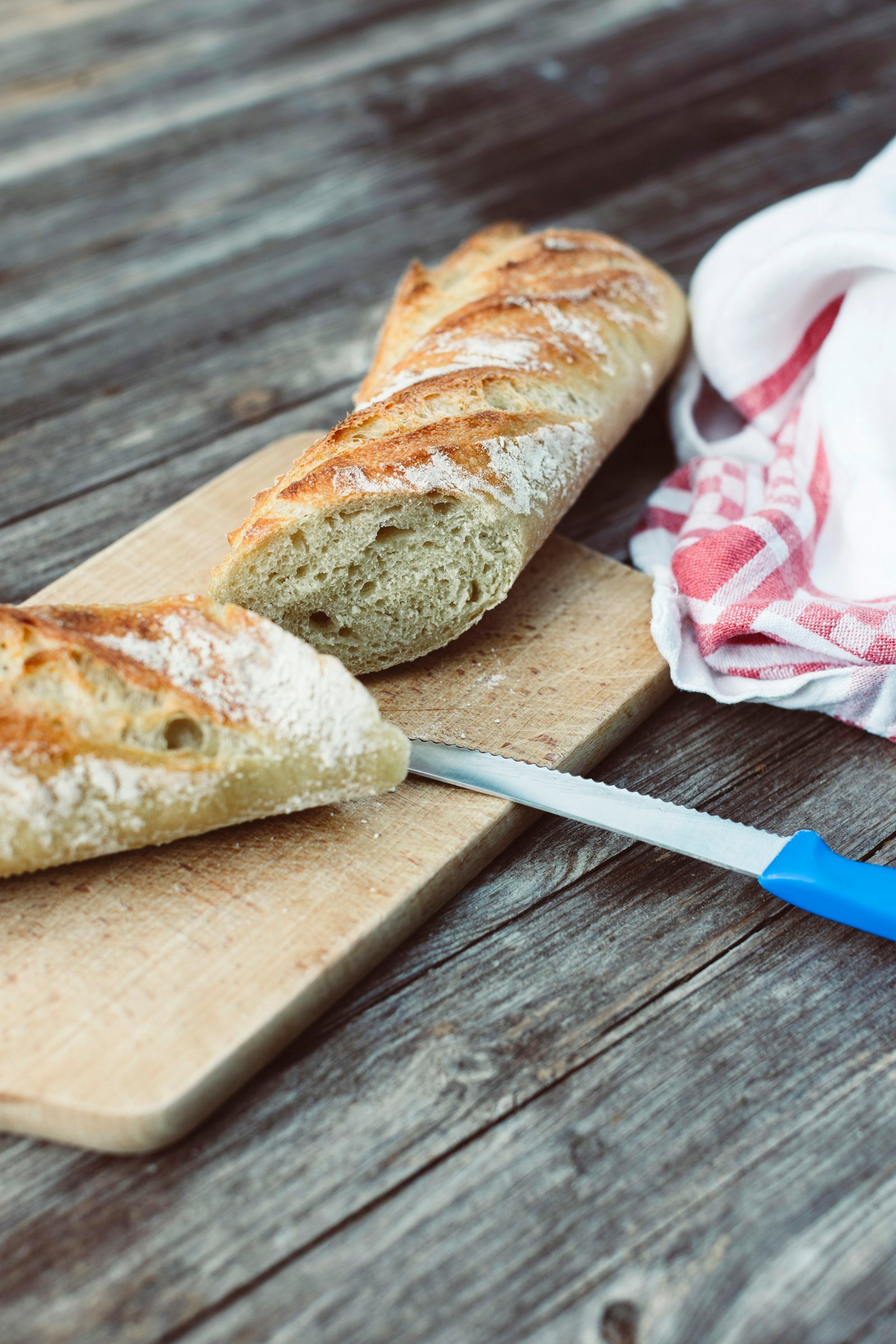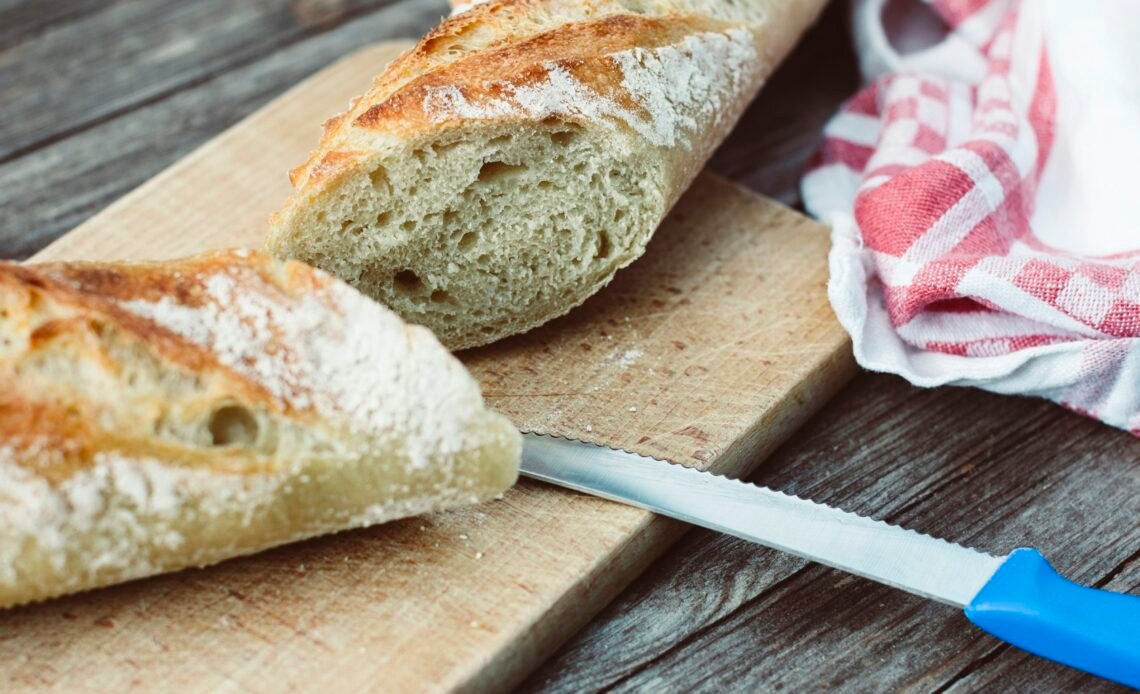
On February 26, 2026, a baker who had never entered the contest before beat 142 rivals to win the Grand Prix de la Baguette de Tradition Française de la Ville de Paris — the City of Paris’s annual search for the single best baguette made inside its limits, now in its 33rd year. The winner, Sithamparappillai Jegatheepan, runs Fournil Didot, a modest shop at 103 Rue Didot in the 14th arrondissement. He arrived in France in 2003 as a Tamil refugee from Sri Lanka’s north, spoke no French, and spent his first year unable to find work at all. The prize comes with €4,000 and something more symbolic: a year-long contract to deliver fresh baguettes, every morning, to the Élysée Palace.
A Bread Invented by a Labor Law, Not a Chef
The baguette’s shape is usually credited to accident, not design. The word itself is first recorded in connection with bread only in 1920, and the most-cited explanation ties its rise to a French labor law restricting bakers from starting work before roughly 4 a.m. — too late to proof and bake the large, dense round loaves that had dominated French tables for centuries. A long, thin loaf solved the math: less dough mass meant a faster rise and a shorter bake, so a baker could still have fresh bread ready by breakfast. Popular stories crediting Napoleon’s army or Paris Métro laborers with the shape are widely dismissed by food historians as myths with no documentary support; cheaper, finer flour and more powerful ovens get more of the credit than any single inventor.
What makes the baguette Jegatheepan bakes a specific, legally defined thing — rather than just “French bread” — is a 1993 government decree, Décret n° 93-1074, issued under Prime Minister Édouard Balladur at the baking profession’s own request. It created the protected term “pain de tradition française”: bread made on-site, with no freezing at any stage of production and no additives, from only flour, water, yeast, and salt. Industrial bakeries can sell baguettes; they cannot call them “de tradition” unless they meet that standard. In 2022, UNESCO went further, inscribing the “artisanal know-how and culture of baguette bread” on its list of humanity’s intangible cultural heritage — an official recognition that this specific, ordinary loaf functions as daily ritual as much as food, something closer to 320 million baguettes sold across France every year, by most industry estimates, than a product category.
From Vadamaradchi to a Paris Oven
Jegatheepan, now 43, grew up in Vadamaradchi, in Sri Lanka’s Tamil-majority north, during the country’s civil war. He left in 2000, spent two years in Colombo, and then followed a brother who had already been living in France for nearly two decades. He knew no French and no French customs; his first job, after a year of searching, was in a restaurant kitchen. A friend working in a bakery suggested he try baking, and before he ever touched bread dough, he spent years making macarons and pastry. In 2008 he bought his first bakery, in Paris’s 15th arrondissement, where a French baker named Jean-Pierre taught him the trade’s specifics — bread-making above all — until Jean-Pierre retired in 2022. That same year, Jegatheepan took over Fournil Didot as his second shop.
The bakery now turns out roughly 650 baguettes a day, baked at 270°C for 20 minutes, from dough that rests at least 24 hours before it ever sees an oven — the slow fermentation that gives a traditional baguette its open, irregular crumb and the faint sourness judges look for. Jegatheepan missed the Grand Prix’s paperwork deadline the year before; in 2026, on his first successful entry, he won outright. He is the second baker of Sri Lankan Tamil origin to take the title in three years, after Tharshan Selvarajah’s win in 2023 — a detail that has made the story resonate well beyond French food media, inside the global Tamil diaspora especially. “Even though I live here and my work is French, I will always be Tamil,” he told the Tamil Guardian after the win. “If you work hard and keep trying, you can achieve great things.”
What Judges Are Actually Tasting
The Grand Prix jury scores entries on a defined checklist, not vibes: the bake’s appearance (the irregular, hand-scored “grigne” cuts along the top), the smell, the taste, and the crumb’s structure when cut open, with judges checking for the characteristic honeycomb of irregular holes that a fast, machine-mixed dough can’t reliably produce. A winning baguette needs a crust that shatters rather than bends, a crumb that smells faintly of hazelnut and fermentation rather than flat and yeasty, and a length and weight that stay within the tradition’s informal range — generally a touch under a meter, running somewhere around 250 to 300 grams. Fournil Didot’s winning loaf reportedly stood out on crust color and the regularity of its crumb’s holes, a sign of the overnight, cold fermentation Jegatheepan uses rather than any shortcut.
Worth noting for anyone planning a trip: the Paris-proper Grand Prix is a different contest from the “Grand Paris” title covering the wider metropolitan region, which in the 2026 edition went separately to Clément Poncet of Les Caprices de Maelle in Rosny-sous-Bois, outside the city limits. Only the City of Paris winner gets the Élysée Palace delivery contract — a tradition that dates back to the prize’s founding in 1994, the year after the “tradition” decree itself, specifically to put the capital’s best loaf on the president’s own table.
Going
Fournil Didot sits at 103 Rue Didot in the 14th arrondissement, open Monday through Saturday from roughly 6:30 a.m. to 8:30 p.m. and closed Sundays. The baguette de tradition is the thing to order — ask for it “bien cuite” (well baked) if you like a darker, more shattering crust, standard practice among regulars at any serious Paris bakery. Jegatheepan has said he hasn’t yet met President Emmanuel Macron in person despite now supplying his kitchen daily, and that he’s considering entering Paris’s separate viennoiserie or sandwich competitions in future years. For now, the win sits as a small, specific rebuttal to the idea that France’s most mythologized food belongs to any one kind of French baker: the country’s official best version of its own national bread, this year, came from a shop run by a man who learned the job from a retiring Frenchman, in a language that wasn’t his first, baking a loaf whose legal definition is younger than he is.