Hoi An doesn’t look like the rest of Vietnam, and there’s a reason for that: for roughly two centuries it was Southeast Asia’s most cosmopolitan port, a place where Chinese, Japanese, Dutch, and Portuguese traders lived alongside Vietnamese merchants under the Nguyen lords, built houses in each other’s styles, and then watched the harbor silt up and the whole town get bypassed by history. That accident of geography is why 800-plus wooden-fronted shophouses survived intact into the 21st century, UNESCO-listed since 1999, instead of getting knocked down for concrete. Five days is enough to walk all of it, eat well, and understand why the lanterns are about more than Instagram.

This article contains affiliate links, including Klook. We may earn a commission on qualifying bookings — see our Affiliate Disclosure for details.


Day 1: The Ancient Town, and the Bridge Everyone Argues About
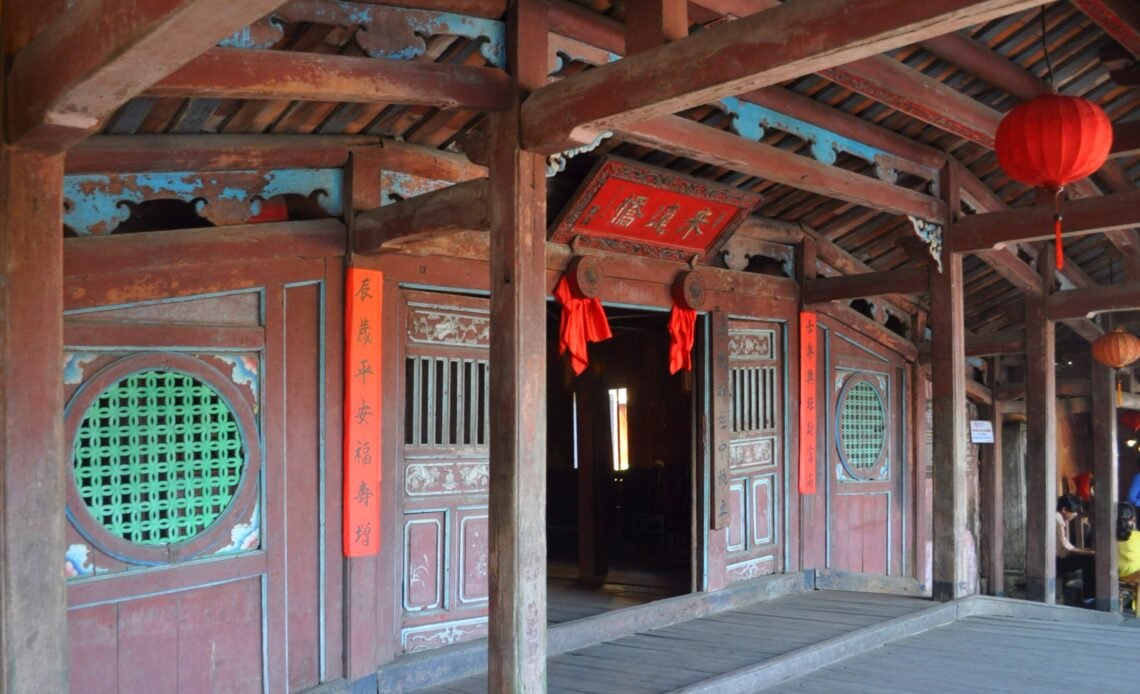
Buy the Ancient Town’s entrance ticket at one of the booths ringing the old quarter — 120,000 VND (about $5) for foreign visitors, valid up to three days, and it bundles coupons for a handful of the historic houses and assembly halls rather than charging separately for each. Start at the Japanese Covered Bridge, likely built around 1593 by Hoi An’s Japanese merchant community and known locally as Chua Cau, or Pagoda Bridge, for the small temple added to its roof decades later. It’s been repaired at least seven times since the 18th century, most recently in a 2022–2024 restoration that cost over 20 billion VND and set off a genuine local uproar — residents said the new paint and timber made a 400-year-old relic look like a theme-park replica, and the city repainted the sides a darker tone in mid-2024 to quiet the complaints. It’s a useful first lesson in how living heritage actually works here: nothing in the Ancient Town is a museum piece behind glass, it’s wood that locals keep patching. From the bridge, walk the ticketed loop through Tan Ky House, a 200-year-old merchant home that blends Vietnamese, Chinese, and Japanese architectural details under one roof, and the Fujian Assembly Hall, built by Chinese traders from Fujian province as a temple to Thien Hau, goddess of the sea. End at the riverside night market along the Thu Bon, where vendors sell paper lanterns to float downriver — a nightly ritual, not just a monthly festival.
Day 2: My Son, the Ruins Older Than the Town Itself
An hour southwest by car or organized tour, My Son Sanctuary is a cluster of brick Hindu temples built between the 4th and 13th centuries by the Cham kings, who ruled this stretch of coast for a thousand years before the Vietnamese pushed south. It’s Vietnam’s answer to Angkor in miniature: UNESCO-listed since 1999, the same year as Hoi An, and still scarred from American bombing during the Vietnam War, which destroyed several temple groups outright. Go early — the site opens around 6:30am and the heat climbs fast with no real shade among the ruins. Entry runs roughly 150,000 VND for foreign adults, which typically includes the shuttle from the parking area and a short traditional Cham dance performance. Back in Hoi An by early afternoon, use the remaining hours for Yaly Couture or one of the other tailor shops the town has built its modern economy around — custom suits and dresses, measured and often finished within 24 to 48 hours, a trade Hoi An has run since the French colonial period and that Yaly itself has been doing since 1995.
Day 3: Tra Que Village, Cooked From the Ground Up
Rent a bicycle in town (shops along Tran Hung Dao charge as little as 25,000–80,000 VND a day) and ride the flat 3 kilometers out to Tra Que, a farming hamlet on a river islet that’s grown herbs and vegetables for Hoi An’s kitchens since at least the 16th century, fertilized the whole time with seaweed hauled up from the nearby lagoon rather than animal manure — locals say that’s what gives Tra Que mint and basil their sharper flavor. Book a half-day class that combines a walk through the garden plots with a hands-on lesson making banh xeo (crispy turmeric pancakes folded around shrimp and pork) and Quang noodles, the turmeric-yellow noodle dish specific to this province; most operators run four to six hours including a market stop, for roughly $20–55 depending on group size. Cycle back through rice paddies for a slower look at the countryside the walled Ancient Town usually hides from view.
Day 4: Basket Boats, Coconuts, and an Afternoon at An Bang
Cam Thanh’s Bay Mau Coconut Forest, a maze of nipa-palm canals a short ride from the Ancient Town, served as a guerrilla base during the war — the dense palm cover made it hard to spot from the air. Today, local rowers in round woven basket boats (whose own origins nobody has documented, though one theory holds they dodged a colonial-era tax on anything officially classed as a “boat”) spin tourists through the channels for photos and, often, a basket-boat spinning demonstration set to music. It’s touristy, but the forest itself was named one of the world’s most beautiful villages in a 2025 ranking, and the war history is real even where the delivery is showbiz. Spend the afternoon at An Bang Beach, a few minutes further by Grab (around 60,000–90,000 VND from the old town) — wide white sand, a string of beach clubs with loungers for the price of a drink, and noticeably fewer vendors than Cua Dai Beach to the south.
Day 5: Lanterns, Last Light, and a Final Walk Along the Thu Bon
Spend the morning at a lantern-making workshop — several shops near the market teach the bamboo-frame-and-silk technique in an hour or two, and your finished lantern is the souvenir. If your five days happen to land on the 14th day of the lunar month, the night before the full moon, you’ll catch the real Lantern Festival: the Ancient Town cuts street lighting and traffic, residents switch to candlelit paper lanterns outside their doors, and the tradition of the practice stretches back to the 16th and 17th centuries when the port’s merchants marked the full moon with offerings. The monthly version was formalized only in 1998, but the underlying ritual — tied to Buddhist and ancestor-worship beliefs about the full moon — is centuries older. Any night, though, hire a small rowboat from the riverside for sunset and float a lantern of your own downriver; it’s a cliché by now, and it’s still worth doing. Close the trip with a final walk past Phung Hung House and the riverside shophouses lit up gold, the same view traders from Osaka to Guangzhou would have known four hundred years ago.
Practical Notes
February through April is the sweet spot — dry, warm, and ahead of summer’s heaviest heat; June through September is cheaper but hotter, while October and November, this piece’s own publication month, carry real flood risk, with the Thu Bon River capable of putting Ancient Town streets under water within a day, so check forecasts closely if traveling in that window. Most nationalities can now get a Vietnam e-visa online in about three working days for roughly $25, valid up to 90 days — confirm current requirements for your passport before booking. Da Nang International Airport is the nearest hub, about 45 minutes away by taxi or Grab; within Hoi An, a bicycle or Grab covers everything, since the Ancient Town’s core is pedestrian-only. Budget roughly $35–55 a day per person outside lodging once you’re covering the entrance ticket, My Son, a cooking class, and sit-down meals — tailoring and any silk purchases will push that higher. VND is cash-first outside hotels and bigger restaurants, so carry some, and a local eSIM is worth grabbing on arrival for Grab and maps to work without hunting for Wi-Fi.