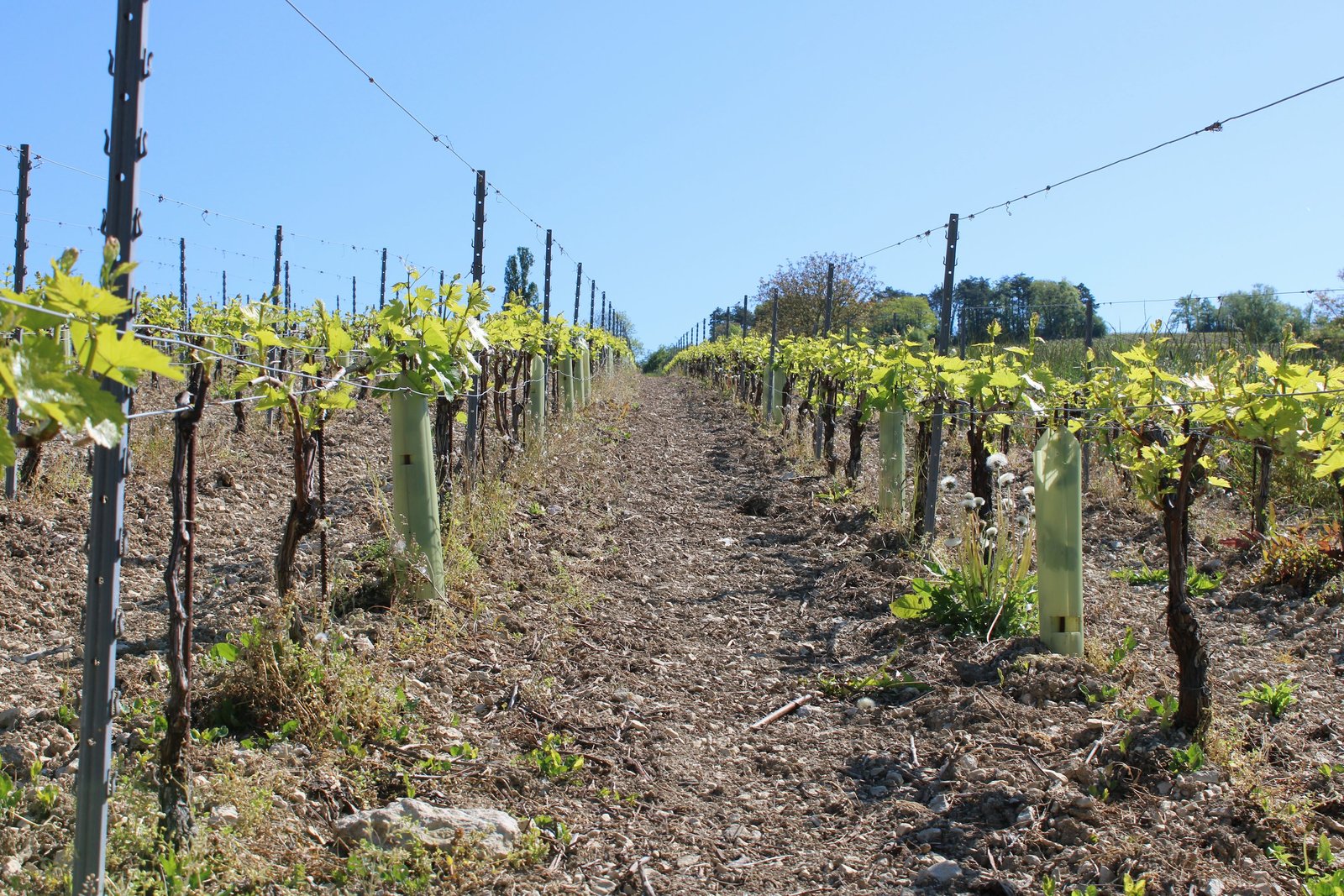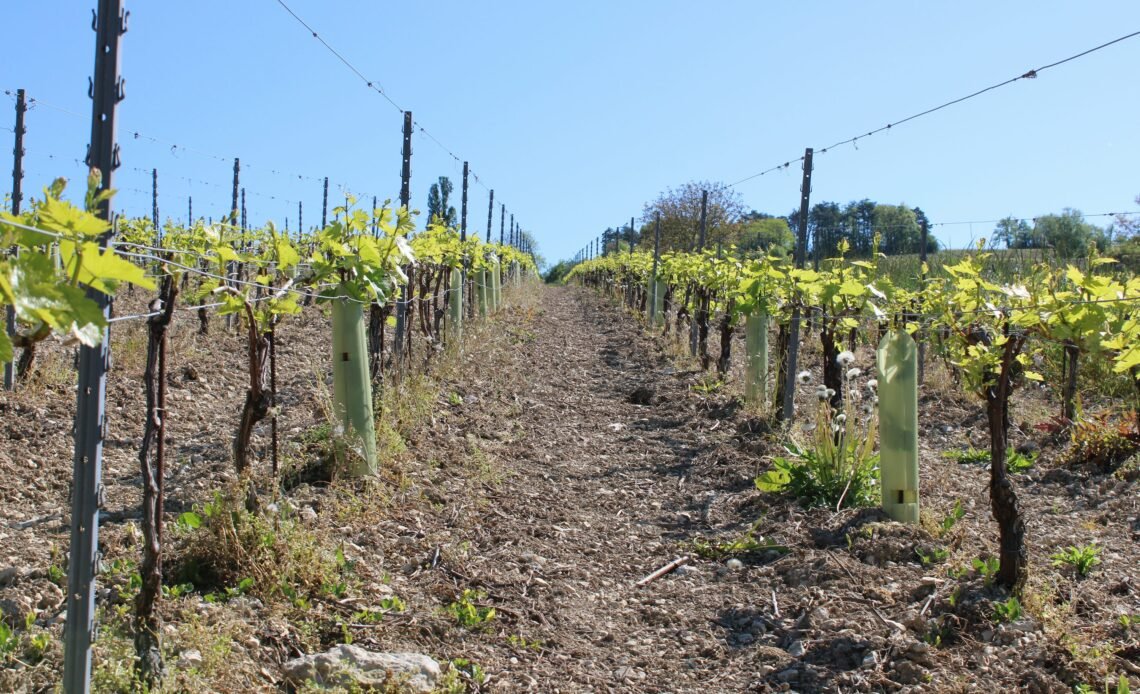
Belgium is not supposed to make wine. The country’s reputation runs on beer, chocolate, and fries fried twice in beef fat — a damp, grey-skied corner of Europe better suited to barley than grapes. And yet in 2026, a Chardonnay grown on a 22-hectare estate outside the Flemish town of Riemst won a Gold Medal at the Concours Mondial de Bruxelles, one of the largest blind-tasting wine competitions in the world, with judging panels that cover thousands of entries from dozens of countries every year. The winery behind it, Wijnkasteel Genoels-Elderen, is also quietly the biggest private vineyard in Belgium — proof that the country’s small, strange wine industry is no longer a novelty act.
A Wine Country That Wasn’t Supposed to Exist Anymore
Belgium did grow wine once, a long time ago. Historical and viticultural sources point to vineyards in the Haspengouw region — the gently rolling fruit-growing belt of Flemish Limburg, around the Roman-era town of Tongeren — as far back as the Middle Ages, with some local accounts tracing cultivation even earlier; the 4th-century Roman poet Ausonius is sometimes cited praising wine from the area, though historians disagree on how much weight to put on that claim. What’s better documented is the decline: viticulture in the region had mostly died out by the 16th century, squeezed out by a cooling climate and a Belgian beer culture that had no competing interest in propping up a marginal, expensive crop.
The modern revival didn’t start as a romantic restoration project. In 1963, a grower named Jean Bellefroid planted the first modern vines near Borgloon, in the same Haspengouw belt, mostly to prove it could still be done. It could. Through the following decades, as the climate in northern Europe warmed and fruit farmers in Limburg started looking for a use for marginal orchard land, small vineyards spread across Haspengouw, the neighboring Hageland region, and the Meuse Valley. Belgium granted Hageland its first official wine designation of origin in 1997, followed by Haspengouw’s own PDO in 2000 — paperwork that would have been unthinkable a generation earlier for a country that didn’t believe it had a wine industry to protect.
The Castle That Rebuilt the Industry
Wijnkasteel Genoels-Elderen — “wine castle,” literally — sits on the grounds of a manor in Riemst whose earliest version dates to the 13th century, burned down in 1407, rebuilt, destroyed again by French forces in the 18th century, and rebuilt once more in its current form in the 19th. None of that history involved wine. That changed in 1991, when the Kekko-van Rennes family — Jaap van Rennes, a former food-and-beverage wholesaler, and winemaker Joyce Kékkö-van Rennes — began replanting the estate’s grounds with Chardonnay and Pinot Noir, the same two grapes that built Champagne and Burgundy, chosen specifically because they ripen reliably in a cool, maritime climate that producers now compare to 1970s-era Burgundy before that region warmed up.
Thirty-five years later, the estate farms roughly 22 hectares — 18 hectares of Chardonnay, 4 of Pinot Noir — at a density of around 5,000 vines per hectare, and bottles about 120,000 bottles a year under the Haspengouw PDO and Belgium’s “Flemish sparkling quality wine” designation. That makes it both the oldest and the largest wine estate in the country, a title it has held essentially uncontested since Belgium’s wine industry started being taken seriously again. Its wines compete internationally on purpose: the Chardonnay 2022 took Gold at the 2026 Concours Mondial de Bruxelles, and the estate’s Pink Pearl 2023 sparkling wine picked up a Gold Medal in the same year’s results — a continuation of medal results the estate has posted at the competition for close to a decade, including an earlier Gold for its Black Pearl sparkling blend and a Silver for an older vintage of Zilveren Parel.
Why Sparkling, Not Still
Belgium’s cool, cloud-heavy growing season is the reason the country’s wine identity has settled on sparkling rather than big, ripe reds. Grapes here ripen slowly and hang onto more acidity than they would further south, which is exactly the chemistry sparkling winemaking wants — it’s the same logic that makes Champagne, 300 kilometers south in a similarly marginal climate, a sparkling region rather than a still one. Genoels-Elderen leans into that: alongside its still Chardonnay, the estate makes several sparkling cuvées under traditional method production — the same labor-intensive, bottle-by-bottle secondary fermentation process Champagne uses — including the Pink Pearl and Black Pearl labels that keep showing up on the competition’s medal lists.
Visiting, and What Else to Drink
The estate, at Kasteelstraat 9 in Riemst — about 20 minutes by car from Maastricht and under an hour from Liège or Hasselt — opens its grounds to visitors mainly by appointment, with regular public hours on Sundays and holidays from May through August; the château hosts tastings, estate tours, and private events, bookable through its own site rather than a third-party platform. A tasting flight is the way to actually compare the still Chardonnay against the sparkling Pink Pearl side by side, which is the clearest way to understand why this particular patch of Flemish farmland keeps winning medals a grape-growing country isn’t supposed to have.
Belgium’s wine scene isn’t limited to one castle, either. In Brussels, a newer and separate wine culture has grown up around natural-wine bars — Fermento, in Ixelles, and Le Wine Bar des Marolles both picked up 2026 distinctions from Star Wine List, the international wine-list guide, for cellar lists built around small growers rather than big-name labels. It’s a smaller, younger scene than Riemst’s three-and-a-half decades of replanted vines, but it points the same direction: a country that spent five centuries being a beer nation only, quietly building a second identity to go with it.