In February 2026, Barry’s opened its 100th studio on the ground floor of 45 Wall Street, a 6,888-square-foot corner space in Manhattan’s Financial District built around a Run x Lift class that holds 50 people at a time. CEO JJ Gantt framed the opening as a milestone nearly three decades in the making, telling Athletech News it marked “an incredible moment for Barry’s and for the global community that has grown with us over the past 27 years.” The brand now operates in 19 countries — a long way from the 1,400-square-foot studio in West Hollywood where it all started.
From a West Hollywood Storefront to a Global Franchise
Barry’s — known for most of its life as Barry’s Bootcamp, before the name was shortened in 2019 — was founded in 1998 by Barry Jay along with John and Rachel Mumford. The original West Hollywood studio held about 30 people at a time and ran on a format that was unusual for its era: a 50/50 split of treadmill intervals and floor-based strength work, taught in a single windowless room lit almost entirely in red. That room earned its own nickname early on — the Red Room — and the brand has protected the concept ever since, even as it licensed the format out to studios on five continents.
The growth has not been slow and steady so much as compounding. Barry’s crossed roughly 90 studios across 15 countries within the past couple of years, then accelerated after Princeton Equity Group acquired the brand from North Castle Partners in a deal reported in January 2025. With fresh capital behind it, Gantt told the 2025 ATN Innovation Summit the company was in “growth mode,” targeting 15 to 20 new studios a year across the U.S. alone, on top of international expansion. Dublin got its first Red Room in June 2025; the 100th studio overall landed in New York ‘s FiDi neighborhood eight months later.
What’s Actually New Inside the Studios
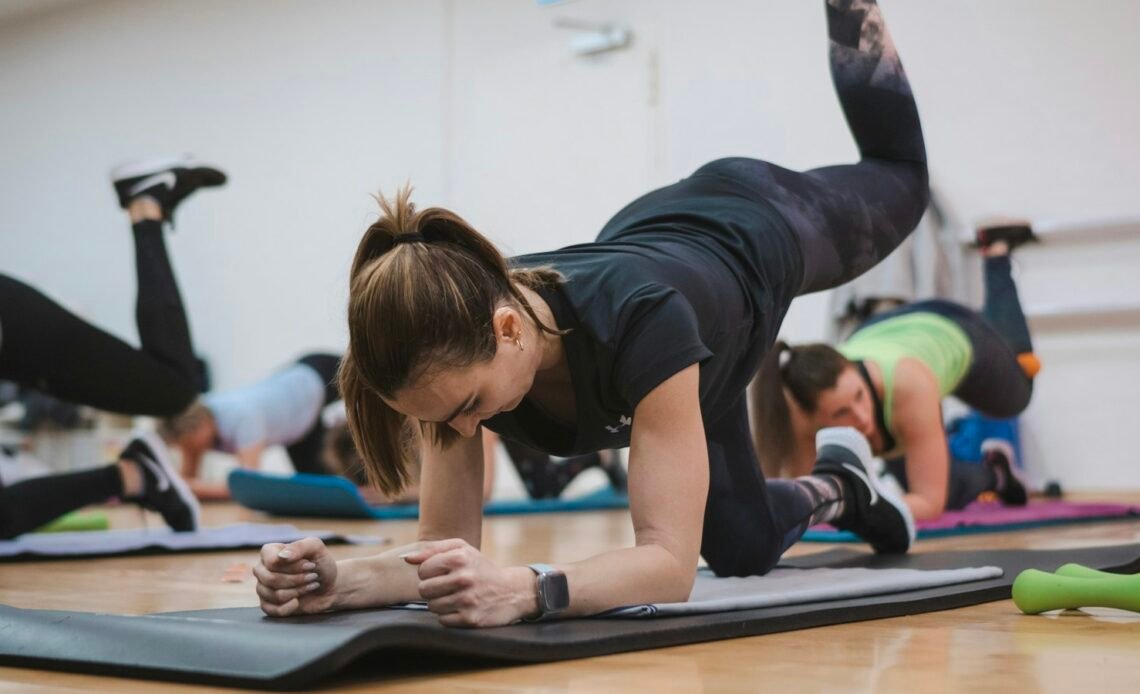
The Wall Street studio is a useful snapshot of how Barry’s has refined the format rather than reinvented it. Alongside the signature Run x Lift class — the treadmill-and-weights hour the brand is still best known for — it runs Lift, a 50-minute strength-only class with no treadmill block at all, aimed at members who want the Barry’s energy and coaching style without the cardio interval structure. The locker rooms have gotten a hospitality upgrade too: Dyson hairdryers and Ouai haircare products are now standard amenities at the flagship, a small but telling sign of how boutique fitness brands are competing as much on post-workout experience as on the workout itself.
That amenity arms race isn’t unique to Barry’s — rival reformer and strength chains have been making the same bet — but it reflects a real shift in what boutique fitness customers expect for the price. A single class in Los Angeles now runs around $34, broadly in line with the rest of the premium boutique category, and most studios sell class packs or monthly unlimited memberships that bring the effective per-class cost down for regulars.
Why the Red Room Format Still Works
Barry’s survival through nearly three decades of fitness trends — and a pandemic that shut every studio down at once — comes down to a format that’s genuinely hard to copy casually. The treadmill-and-floor structure demands real estate most home gyms can’t replicate, coaching that’s standardized enough to train at scale but still feels personal in a dark, loud room, and a class size small enough that an instructor can actually call out people by name. It’s the same tension Club Pilates and solidcore have each solved in their own categories: a format has to be simple enough to franchise identically from West Hollywood to Dublin, while still feeling like the kind of workout you’d brag about finishing.
What the 100th studio really signals is that boutique fitness consolidation isn’t just a Pilates story. Private equity has now backed multiple categories — reformer, strength-and-cardio, cycling — betting that whichever franchisor scales real estate and training fastest wins the category, regardless of how the workout itself is branded. For Barry’s, that means more Red Rooms are coming to more cities before the brand turns 30. For anyone who’s been curious but never booked a class, the format hasn’t changed much since 1998 — just the hairdryers in the locker room.

