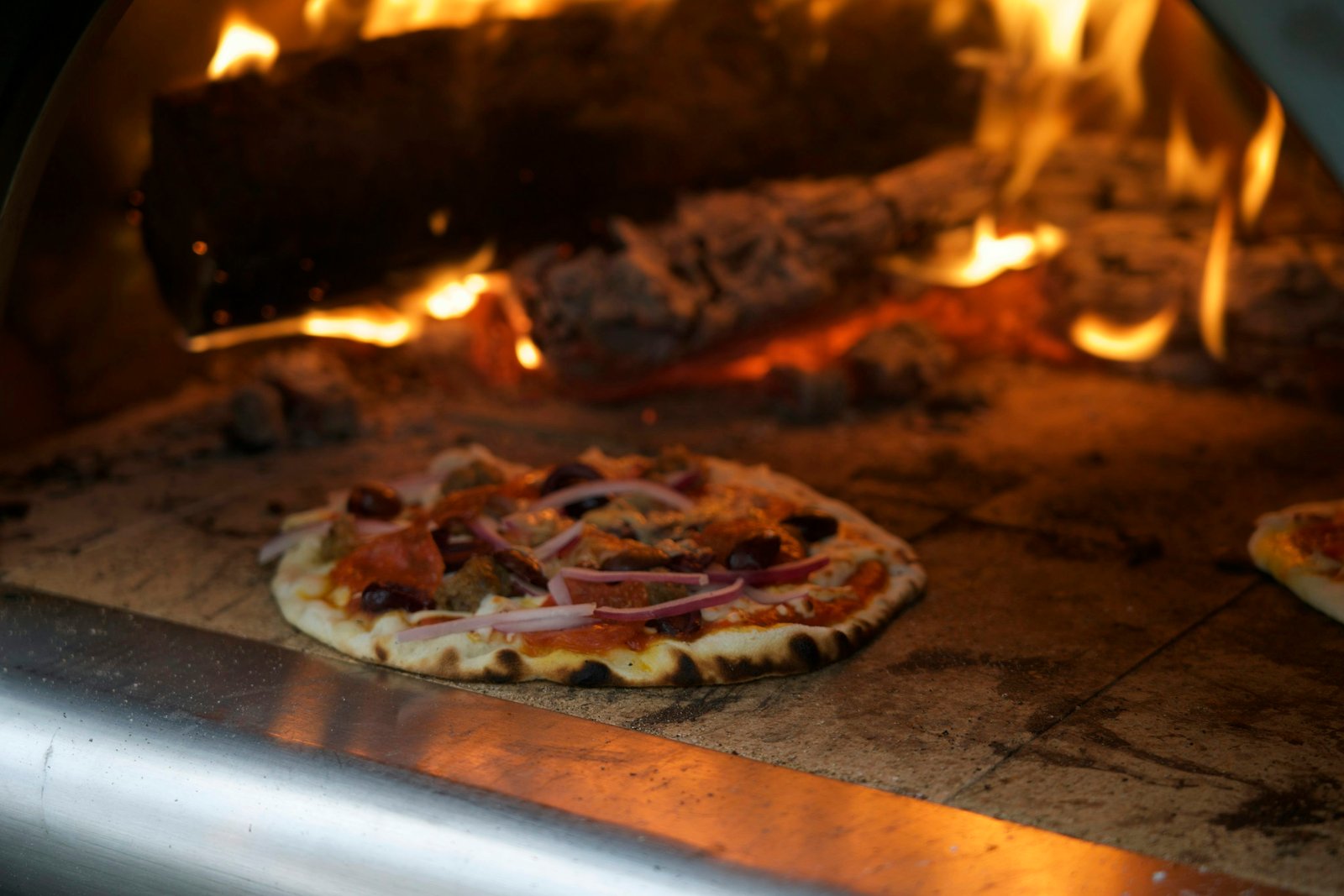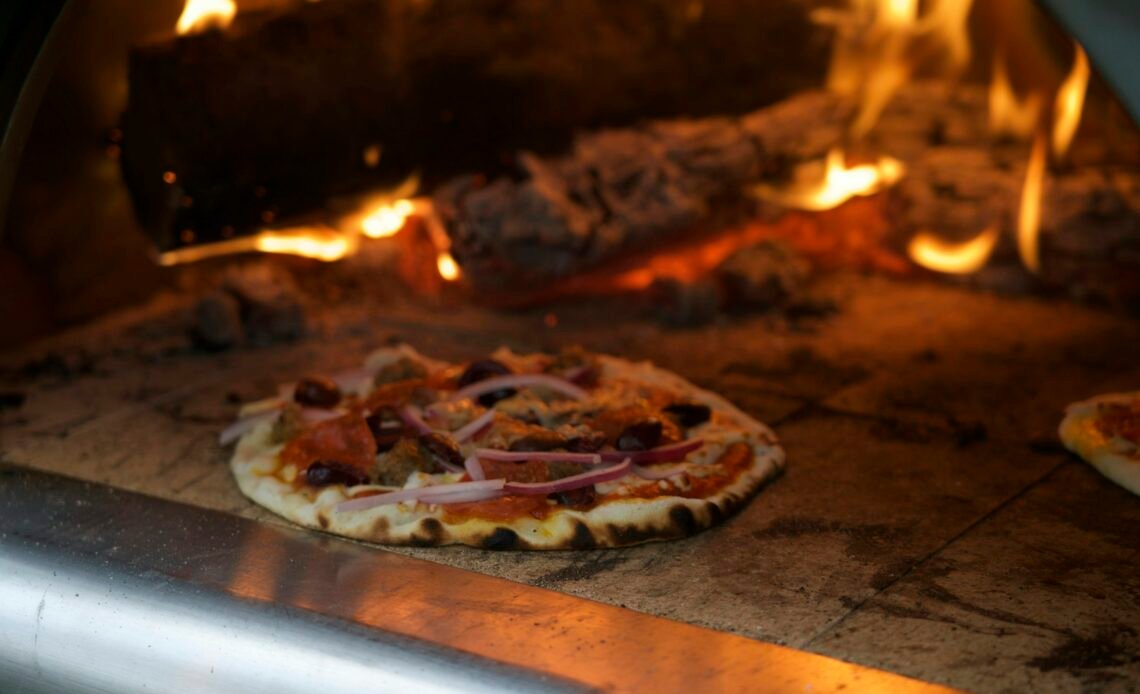
On September 17, 2026, judges from 50 Top Pizza stood on a stage in Naples — the city that invented the dish and has spent a century defending its honor — and handed the title of World’s Best Pizzeria to a restaurant in Chiswick, west London. Napoli on the Road, run by a pizzaiolo who started out selling pies from a three-wheeled Piaggio Ape van at farmers’ markets, knocked New York’s two-time defending champion Una Pizza Napoletana down to second place and became the first UK pizzeria ever to top the global ranking. The irony was not lost on anyone in the room: a London shop had just out-Naples’d Naples, at an award ceremony held in Naples itself.
A Craft Old Enough to Have Its Own UN Protection
Pizza’s Neapolitan roots run deeper than any awards show. Flatbreads referred to as “pizza” in Naples date back roughly 500 years, and by the 18th and 19th centuries, street vendors in the city’s poorer quarters were selling folded, topped dough to workers who ate standing up — the original fast food. The dish most people now picture, the Margherita, comes from a story Italians tell with real pride, even though historians treat it as tradition rather than documented fact: in 1889, a Naples baker named Raffaele Esposito is said to have made a pizza topped with tomato, mozzarella, and basil — red, white, and green, the colors of the just-unified Italian flag — for a visit by Queen Margherita of Savoy. Verified or not, the story stuck hard enough to name the pizza.
What is fully documented is the craft’s formal recognition: in December 2017, UNESCO added “the art of Neapolitan pizzaiuoli” to its Intangible Cultural Heritage of Humanity list, protecting not a recipe but a physical performance — the specific hand motions of stretching, topping, and launching a dough disc into a wood-fired oven. The Associazione Verace Pizza Napoletana (AVPN), the Naples-based body that polices what can legally call itself a true Neapolitan pizza, still enforces exacting specifics: dough balls between 200 and 280 grams, hand-stretched without a rolling pin, baked in a wood-fired oven between roughly 430°C and 480°C for just 60 to 90 seconds, topped only with San Marzano tomatoes and fior di latte or Campania buffalo mozzarella. It is less a recipe than a discipline — which is exactly the tradition Michele Pascarella grew up inside before he left it, then got rewarded for bending it.
From a Three-Wheeled Van to the Top of the World
Pascarella grew up in the Caserta area north of Naples and started working in a pizzeria as a child, washing dishes for his brother-in-law before he ever touched dough. He moved to London and, in 2016, began driving a converted Piaggio Ape three-wheeler fitted with a portable wood-fired oven to farmers’ markets around the city, building a following one Margherita at a time before he had a fixed address. In September 2019, he and co-founder Paolo Cimmino — both Neapolitan — opened the first permanent Napoli on the Road at 9A Devonshire Road in Chiswick, followed later by locations in Richmond and Soho.
The recognition came fast once it started. In 2023, Pascarella was named the Global Pizza Maker of the Year by 50 Top Pizza — the title for the chef, separate from the restaurant ranking — and critics began calling him a pioneer of “contemporary” Neapolitan pizza in Britain: longer-fermented dough, a taller, more irregular cornicione (the puffed edge) than the classically thin AVPN style, and toppings that nod at tradition without being bound by it. Napoli on the Road then won the 50 Top Pizza Europa title three years running before this year’s leap to number one in the world — London’s first time at the top of that specific list, ahead of 100 pizzerias across 36 countries, Italy and the United States included.
What’s Actually on the Menu
Pascarella’s menu rotates roughly every three months around seasonal produce, but his signature plate has stayed fixed: a pizza finished with slow-cooked ragù and a Parmigiano Reggiano cream, a direct callback to the Sunday ragù of his childhood rather than anything the AVPN rulebook would recognize. At Chiswick, dine-in pizzas have run from about £12.90 for a classic Margherita up through £17.90–£18.90 for house specialties like the Cheesewick and the Tonno e Cipolla (tuna and red onion) — reasonable territory for a restaurant now carrying a genuinely global title. Pascarella also published a cookbook, “Napoli on the Road” (Ryland Peters & Small, £22), laying out his dough technique and recipes for anyone not planning a trip to west London.
Going
The original Napoli on the Road sits at 9A Devonshire Road in Chiswick, a short walk from Turnham Green station, with sister sites in Richmond and Soho for anyone who doesn’t want to trek to zone 2. Reservations are advisable now that the world title is attached to the name — the restaurant’s team has previously described turning off the phones for months after an award announcement because the booking requests didn’t stop. For a craft that UNESCO protects as a piece of living Neapolitan heritage, it’s a fittingly stubborn footnote that, in 2026, the best version of it in the world is being made six hundred miles from Naples, by a man who learned the rules at home before deciding which ones to keep.