Four real launches landed within two weeks of each other in November 2026, and together they make an odd little argument: the most interesting gadget news right now isn’t about AI features, it’s about companies finally fixing the one thing their own fans kept complaining about. Sigma built the camera its fp loyalists have wanted since 2019. Narwal, a robot-vacuum brand, built its first-ever cordless stick vacuum. KitchenAid put a light inside its most famous bowl. And Fujifilm’s hybrid instant camera got a second generation nobody was sure was coming. Real prices, real specs, why each one matters.
Sigma’s FP2 Is the World’s Smallest Full-Frame Camera — $2,199, Shipping November 11
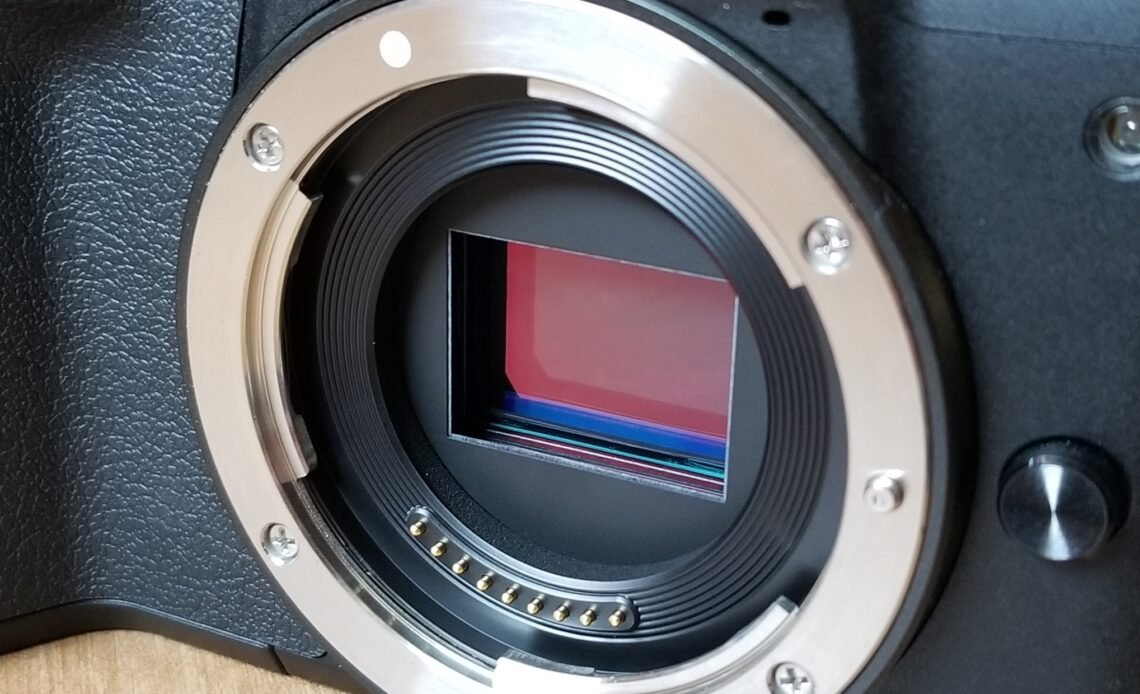
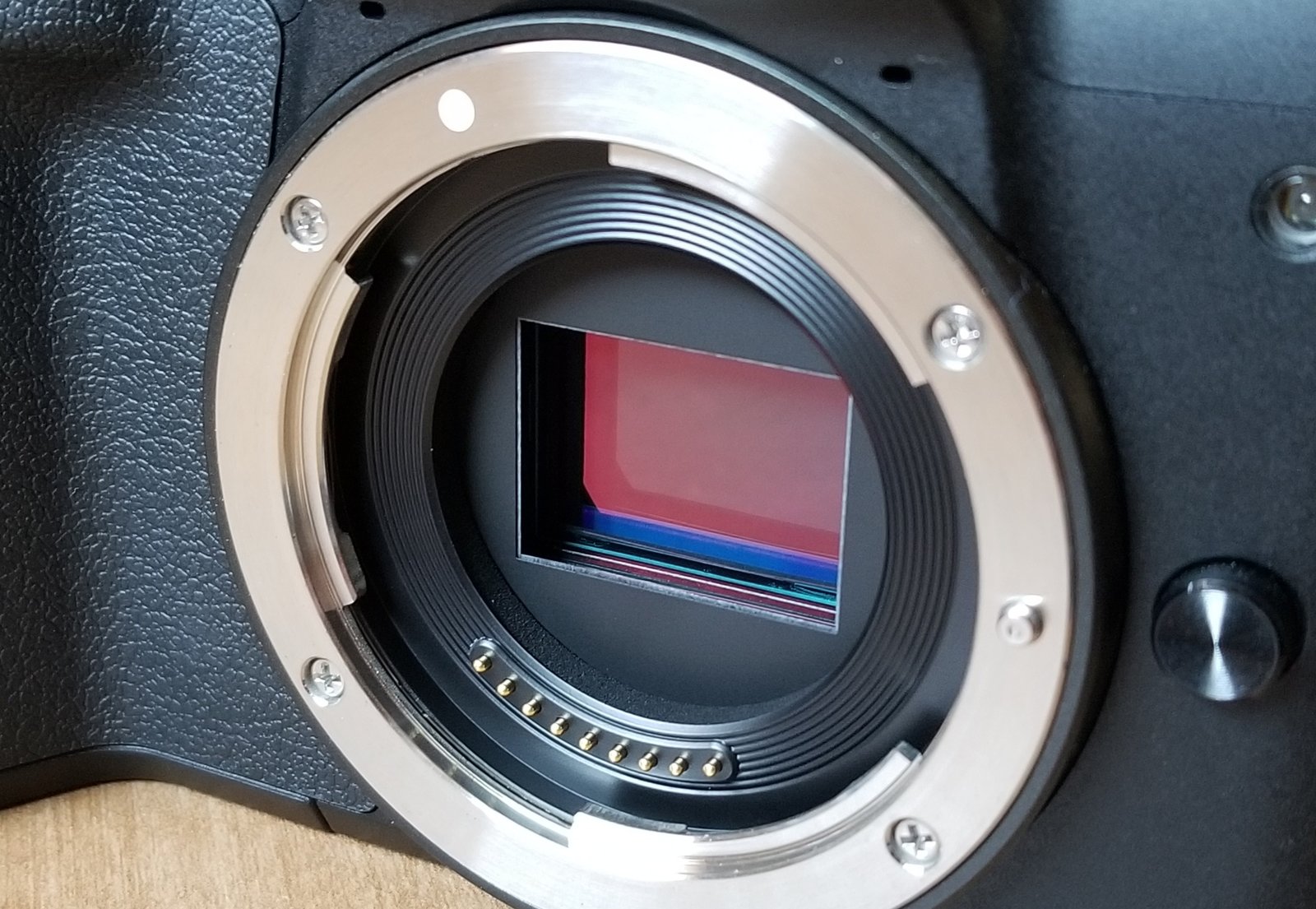
Sigma announced the FP2 on October 23 and started shipping it to authorized retailers on November 11, priced at $2,199 body-only, or $2,749.99 with the optional EVF-21 electronic viewfinder. It’s the first real update to the fp line since the original 2019 fp and 2021 fp L, and Sigma is calling it the world’s smallest full-frame camera — a title the original fp also claimed, so the FP2 had to get smaller while adding more. It uses a partially stacked full-frame sensor (24.5 effective megapixels, 26.8 million total) built for faster readout, which Sigma says cuts rolling-shutter distortion and allows continuous shooting up to roughly 20 frames per second. On the video side, it shoots 6K open-gate footage using the full sensor area, supports 12-bit ProRes RAW, and is rated for 14.1 stops of dynamic range in 4K L-Log — genuinely high-end video specs for a body that fits in a jacket pocket. There’s also 70GB of storage built into the camera itself, on top of the SD card slot. The L-Mount camera weighs about 13.3 ounces, which is the whole pitch: full-frame image quality without the full-frame-sized body.
Narwal’s V50 Cube Is the Robot-Vacuum Brand’s First Stick Vacuum — $499.99 Through November 30
Narwal, the company that made its name on self-washing robot mops, launched its first cordless dry stick vacuum in the US on November 2: the V50 Cube. It carries CarpetFocus technology aimed at pulling embedded debris and pet hair out of carpet fibers — the category where stick vacuums traditionally lose to full-size uprights — paired with a compact auto-empty base station that’s small enough for an actual US apartment, not just a show floor. The regular price is $649.99, but Narwal is running a launch promotion of $499.99 through November 30, a real $150 off rather than a fake “sale” price invented for the promotion. It’s a notable pivot for a brand that built its entire identity on letting a robot do the vacuuming: Narwal is betting that some cleaning jobs — stairs, car interiors, a sudden spill — still need a human holding the handle.
KitchenAid Put an LED Light Inside Its Stand Mixer Bowl — $699.99
KitchenAid’s Artisan tilt-head stand mixer has looked essentially the same since the 1930s-derived industrial design that made it a wedding-registry staple. This month’s Design Series Luminaire version is the first real change to the formula in years: a glass mixing bowl with a built-in LED light that glows while the mixer runs, housed in a hand-finished “Blue Peppercorn” crinkle paint job. It’s priced at $699.99 — a real premium over the standard $449.99 Artisan, but the same 5-quart capacity and 10-speed motor underneath. KitchenAid paired the mixer’s launch with a companion piece in the same finish: a limited-edition 36-inch Luminaire commercial-style dual-fuel range, of which the company says only five were hand-painted — a six-figure-kitchen flex that exists mostly to make the $699.99 mixer look like the accessible version of the idea.
Fujifilm’s Instax Mini Evo 2 Arrives November 27 — $289.95
Fujifilm announced the Instax Mini Evo 2 on October 26, and it reaches US shelves November 27 — Black Friday itself — at $289.95 ($379.99 in Canada). The original Mini Evo, launched in 2021, became one of the better-selling instant cameras of the last five years by splitting the difference between a real digital camera and a toy: it has a lens-dial and film-dial on the front for choosing among dozens of simulated looks before printing onto actual Instax Mini film, rather than just slapping a filter on afterward. Fujifilm hasn’t published a full spec sheet breakdown of what’s changed internally, but the timing is the real story — a direct-to-film hybrid camera landing on the one shopping day of the year when gift-buyers are most likely to go looking for exactly this kind of thing.
None of these four is chasing the same customer. A $2,199 camera for people who already own lenses, a $499.99 vacuum for people who’ve sworn off upright vacuums, a $699.99 mixer for people who already have the $449.99 one, and a $289.95 instant camera timed for a gift receipt. But the pattern holds: each company looked at its most established product and asked what was actually still missing, rather than launching something unrelated just to say it launched something.
